
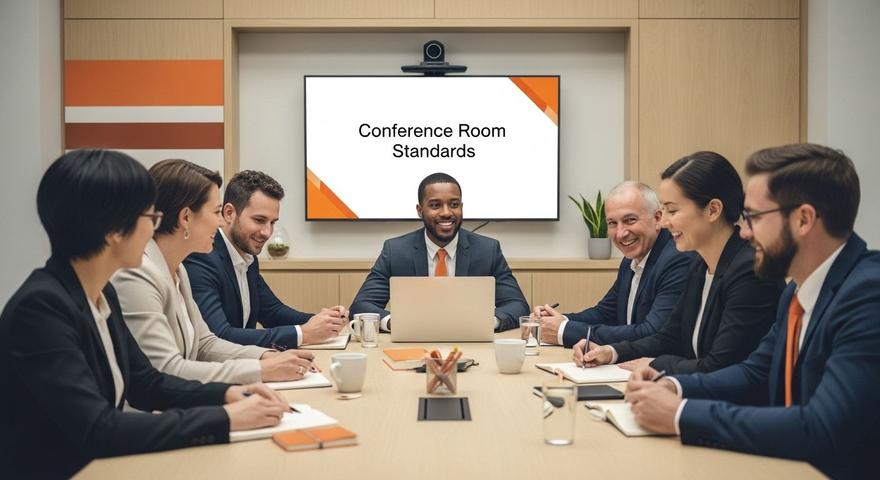
Conference Room Standards: Key Requirements for Corporate Events
Modern corporate events hinge on much more than just gathering people in a room. You might expect that a few chairs and a big table would tick all the boxes. Yet, rooms designed with optimal sizes of 15 to 30 square metres can actually boost meeting productivity and engagement far more than lavish décor or expensive gadgets . It turns out that the true secret is baked right into the standards behind the scenes—and these details make all the difference.
Table of Contents
- Understanding Core Conference Room Standards Spatial Configuration And Layout RequirementsTechnological Infrastructure StandardsEnvironmental And Accessibility ConsiderationsFrequently Asked Questions
- Recommended Room Sizes And Capacity Guidelines Small Conference Room ConfigurationsMedium Conference Room SpecificationsLarge Conference And Boardroom GuidelinesFrequently Asked Questions
- Technology And Accessibility Requirements Technological Infrastructure StandardsAccessibility And Inclusive Design PrinciplesEmerging Technological IntegrationFrequently Asked Questions
- Best Practices For Layout And Comfort Ergonomic Furniture And Spatial ArrangementEnvironmental Control And Sensory ConsiderationsTechnological Integration And Interaction ZonesFrequently Asked Questions
- Spatial Configuration And Layout Requirements
- Technological Infrastructure Standards
- Environmental And Accessibility Considerations
- Frequently Asked Questions
- Small Conference Room Configurations
- Medium Conference Room Specifications
- Large Conference And Boardroom Guidelines
- Frequently Asked Questions
- Technological Infrastructure Standards
- Accessibility And Inclusive Design Principles
- Emerging Technological Integration
- Frequently Asked Questions
- Ergonomic Furniture And Spatial Arrangement
- Environmental Control And Sensory Considerations
- Technological Integration And Interaction Zones
- Frequently Asked Questions
Quick Summary
| Takeaway | Explanation |
|---|---|
| Optimal room sizes enhance productivity | Rooms should ideally range from 15 to 30 square metres for effective meetings. |
| Technological infrastructure is essential | High-speed internet and audiovisual systems are critical for seamless communication and collaboration. |
| Consider accessibility in design | Ensure conference rooms accommodate various mobility needs and incorporate universal design principles. |
| Ergonomic furniture is crucial | Adjustable chairs and properly designed tables enhance comfort and reduce fatigue during long meetings. |
| Regularly review room layouts and technology | Annual assessments ensure that spaces remain functional and meet evolving needs. |
Understanding Core Conference Room Standards
Conference room standards represent the fundamental blueprint for creating professional, functional, and efficient meeting spaces that support dynamic corporate interactions. These standards encompass a comprehensive framework of spatial design, technological infrastructure, and ergonomic considerations that transform ordinary rooms into strategic collaboration environments.
Spatial Configuration and Layout Requirements
The core of conference room standards begins with precise spatial planning. Optimal room dimensions typically range between 15 to 30 square metres, allowing sufficient space for comfortable seating arrangements and movement. Professional event planners understand that effective spatial configuration directly impacts participant engagement and communication dynamics.
Key spatial considerations include clear pathways between seating, appropriate table shapes that facilitate interaction (rectangular or modular designs work best), and strategic positioning of presentation areas. The room layout must accommodate different meeting formats seamlessly - from boardroom style presentations to interactive workshops and smaller team discussions.
Ergonomic placement becomes critical. Chairs should provide lumbar support, tables must offer adequate workspace, and there should be sufficient room for participants to move without disrupting ongoing conversations. Recommended seating density ranges from 1.5 to 2 square metres per person, ensuring both comfort and professional interaction space.
Technological Infrastructure Standards
Modern conference room standards demand robust technological integration. Essential technological requirements include high-speed internet connectivity, multiple power outlets, integrated audiovisual systems, and seamless connectivity options for various devices.
Critical technological elements include:
- Projection Systems : High-resolution displays supporting 4K resolution
- Audio Equipment : Professional microphone systems with noise cancellation
- Connectivity : Multiple input ports including HDMI, USB-C, and wireless screen sharing capabilities
- Video Conferencing : Enterprise-grade cameras and communication platforms supporting hybrid meeting environments
Technological infrastructure must support both in-person and remote participants, creating inclusive meeting experiences that transcend physical boundaries.
Environmental and Accessibility Considerations
Comprehensive conference room standards extend beyond physical and technological elements to include environmental quality and accessibility. Proper lighting, acoustic management, temperature control, and inclusive design become paramount.
Lighting should provide balanced illumination without glare, typically achieved through a combination of natural and adjustable artificial lighting. Acoustic treatments help manage sound quality, reducing external noise and ensuring clear communication. Temperature control systems must maintain comfort between 20-22 degrees Celsius, creating an optimal working environment.
Accessibility remains a crucial standard. Conference rooms must incorporate design elements supporting participants with diverse mobility requirements, including wheelchair access, adjustable furniture, and clear navigation pathways.
The following table organises the core environmental and accessibility standards essential for crafting professional conference rooms.
| Standard | Key Requirement | Recommended Value/Detail |
|---|---|---|
| Lighting | Balanced, adjustable, glare-free illumination | Natural + artificial, adjustable |
| Acoustics | Sound management and minimised external disruptions | Acoustic treatments, sound-absorbing |
| Temperature | Comfortable climate control | 20 – 22°C |
| Accessibility | Inclusive access for all users | Wheelchair access, clear pathways |
| Furniture Adaptability | Adjustable seating and workspaces | Lumbar support, adjustable chairs/tables |
| Signage & Display | Clear, high-contrast visuals | High-contrast, clear typography |
| Audio Systems | Hearing assistance technologies | Loop systems, wireless hearing aids |
Implementing these core conference room standards transforms meeting spaces from mere rooms into strategic communication hubs. By meticulously addressing spatial, technological, and environmental considerations, organisations create environments that foster collaboration, creativity, and professional excellence.
Frequently Asked Questions
What defines a professional conference room? A professional conference room integrates spatial efficiency, advanced technological infrastructure, ergonomic design, and inclusive environmental considerations.
How important are technological capabilities in modern conference rooms? Technological capabilities are crucial, enabling seamless communication, supporting hybrid meeting formats, and facilitating efficient information sharing across diverse participant groups.
What budget should organisations allocate for conference room development? Budgets vary based on organisational size and requirements, but typically range from £10,000 to £50,000 for comprehensive room transformation, including technology and design elements.
Small Conference Room Configurations
Small conference rooms represent the fundamental building block of corporate meeting spaces. These intimate settings typically accommodate 4 to 8 participants and range between 120 to 250 square metres. Ideal for team huddles, quick strategy discussions, and focused collaborative sessions, small conference rooms demand precision in design and layout.
Key characteristics of small conference rooms include compact yet ergonomic furniture arrangements, flexible seating configurations, and strategic technological integrations. The room layout should prioritize efficient space utilization without compromising participant comfort. Recommended furniture typically includes a compact rectangular or oval table, adjustable chairs with lumbar support, and integrated digital display capabilities.
Companies must consider multiple functional requirements when designing small conference spaces. Acoustic management becomes crucial in these compact environments, requiring sound-absorbing materials and intelligent room design to minimize external noise disruptions. Lighting should be adjustable, providing balanced illumination that reduces eye strain during presentations and discussions.
Medium Conference Room Specifications
Medium conference rooms serve as versatile spaces supporting broader team interactions and more comprehensive meeting formats. These rooms generally accommodate 10 to 16 participants and span approximately 300 to 500 square metres. Their design must support multiple meeting styles, from formal presentations to interactive workshops and collaborative strategy sessions.
Configuration considerations for medium conference rooms include modular table designs that can be reconfigured based on meeting requirements, advanced audiovisual integration, and sophisticated connectivity solutions. Professional-grade video conferencing systems, multiple display screens, and seamless device integration become standard expectations in these spaces.
Environmental control plays a significant role in medium conference room design. Temperature regulation, air circulation, and noise management must create a comfortable, distraction-free environment. Lighting solutions should incorporate both natural and artificial sources, allowing dynamic adjustment to support various presentation and interaction needs.
Large Conference and Boardroom Guidelines
Large conference rooms and boardrooms represent the pinnacle of corporate meeting spaces, designed to host significant gatherings, executive meetings, and high-stakes presentations. These expansive areas typically accommodate 16 to 30 participants and range from 500 to 800 square metres, demanding sophisticated design approaches.
To help you quickly compare the key features, sizes, and user capacities of typical conference room types, refer to the following summary table.
| Room Type | Recommended Size (m²) | Typical Capacity | Key Features |
|---|---|---|---|
| Small Conference Room | 120 – 250 | 4 – 8 | Compact ergonomic furniture, acoustic management, digital display |
| Medium Conference Room | 300 – 500 | 10 – 16 | Modular tables, advanced AV, environmental controls |
| Large Conference/Boardroom | 500 – 800 | 16 – 30 | Premium furniture, pro AV, multiple zones, inclusive access |
Critical elements of large conference rooms include premium furniture selections, advanced technological infrastructure, and multiple communication zones. Boardroom tables often feature integrated power outlets, wireless charging stations, and individual workspace configurations. Professional-grade audiovisual systems must support high-resolution presentations, seamless video conferencing, and real-time collaboration tools.
Accessibility remains paramount in large conference room design. Spaces must incorporate wheelchair-friendly pathways, adjustable furniture heights, and inclusive technological interfaces. Environmental considerations extend beyond physical comfort to creating inspiring, professional atmospheres that facilitate strategic decision-making.
Frequently Asked Questions
How do room sizes impact meeting effectiveness? Room sizes directly influence participant interaction, comfort, and communication quality. Appropriately sized spaces support better engagement and more productive discussions.
What technological capabilities are essential in different room sizes? Technological requirements vary by room size, with smaller rooms needing basic connectivity and larger rooms demanding sophisticated audiovisual and collaboration systems.
How often should conference room configurations be reassessed? Organisations should review conference room designs annually, considering evolving technological capabilities, workforce dynamics, and changing collaboration methodologies.
Technology and Accessibility Requirements
Technology and accessibility represent critical foundations of modern conference room design, ensuring inclusive, efficient, and dynamic meeting environments that accommodate diverse participant needs and technological expectations. Organisations must adopt comprehensive strategies that integrate advanced technological solutions with universal design principles.
Technological Infrastructure Standards
Contemporary conference rooms demand sophisticated technological infrastructures that support seamless communication, collaboration, and information sharing. Core technological requirements encompass robust connectivity, advanced audiovisual systems, and flexible integration capabilities that transcend traditional meeting boundaries.
Essential technological components include high-speed internet connectivity with minimum bandwidth of 100 Mbps, multiple power outlets strategically positioned for device charging, and comprehensive input/output ports supporting various digital platforms. Professional-grade wireless network systems must provide secure, stable connections capable of supporting multiple simultaneous users and device types.
Video conferencing technologies represent a critical technological standard. Enterprise-level systems should support high-definition video streaming, crystal-clear audio transmission, and interactive features like screen sharing, virtual whiteboarding, and real-time collaboration tools. Cameras must provide wide-angle coverage, automatic tracking capabilities, and noise-cancellation microphone technologies that ensure clear communication for both in-person and remote participants.
Accessibility and Inclusive Design Principles
Accessibility transcends technological integration, encompassing comprehensive design approaches that support participants with diverse physical, sensory, and cognitive requirements. Conference rooms must incorporate universal design principles that create welcoming, functional environments for all users.
Physical accessibility considerations include wheelchair-compatible pathways, adjustable furniture heights, clear navigation routes, and ergonomic seating arrangements. Technological interfaces must support adaptive technologies, including screen readers, voice control systems, and alternative input methods for participants with mobility or visual impairments.
Signage and information display systems should incorporate high-contrast visual designs, multiple language options, and clear, sans-serif typography. Audio systems must support hearing assistance technologies, including integrated loop systems and compatible wireless transmission for hearing aids. Lighting design should minimize glare, provide adjustable illumination, and support participants with sensory sensitivities.
Emerging Technological Integration
Forward-thinking conference room designs must anticipate emerging technological trends and integration possibilities. Artificial intelligence, augmented reality, and advanced collaboration platforms represent critical areas of technological evolution that organisations must consider in their strategic planning.
AI-powered meeting assistance technologies can provide real-time transcription, automatic meeting summaries, and intelligent participant engagement tracking. Augmented reality interfaces might enable immersive presentation experiences, allowing remote participants to interact more dynamically with physical meeting spaces.
Cybersecurity becomes increasingly important as technological complexity increases. Conference room systems must incorporate robust security protocols, including encrypted networks, multi-factor authentication, and sophisticated access management systems that protect sensitive corporate information.
Frequently Asked Questions
What are the minimum technological requirements for modern conference rooms? Minimum requirements include high-speed internet, comprehensive audiovisual systems, multiple connectivity options, and secure network infrastructure.
How can organisations ensure technological accessibility? Organisations should adopt universal design principles, invest in adaptive technologies, and regularly assess technological interfaces for inclusivity and ease of use.
What emerging technologies are transforming conference room experiences? Artificial intelligence, augmented reality, advanced collaboration platforms, and intelligent meeting assistance technologies are reshaping corporate communication environments.
Best Practices for Layout and Comfort
Conference room layout and comfort represent critical elements that significantly influence meeting productivity, participant engagement, and overall organisational performance. Strategic design approaches transform conference spaces from mere functional areas into dynamic environments that support effective communication and collaborative excellence.
Ergonomic Furniture and Spatial Arrangement
Ergonomic considerations form the foundation of effective conference room design. Furniture selection must prioritize participant comfort, supporting extended meeting durations while minimizing physical strain. Chairs should feature adjustable lumbar support, armrests, and height mechanisms that accommodate diverse body types and individual preferences.
Spatial arrangement plays a crucial role in facilitating communication and interaction. Rectangular and modular table configurations offer the most versatile solutions, allowing flexible repositioning to support different meeting formats. Recommended spacing between participants ranges from 60 to 75 centimetres, providing sufficient personal space without creating psychological barriers.
Table depth becomes a critical ergonomic factor. Professional conference tables should provide minimum workspace of 60 centimetres per participant, accommodating laptops, notebooks, and personal devices. Integrated cable management systems and discrete power outlets ensure seamless technological connectivity without compromising aesthetic design or workspace functionality.
Environmental Control and Sensory Considerations
Environmental factors dramatically impact meeting effectiveness and participant comfort. Temperature control represents a fundamental consideration, with optimal meeting room temperatures ranging between 20 to 22 degrees Celsius. Precise climate management prevents participant distraction and maintains consistent cognitive performance.
Lighting design requires sophisticated multilayered approaches. Natural light integration supports circadian rhythms and enhances participant alertness, while adjustable artificial lighting allows dynamic illumination suitable for presentations, collaborative discussions, and individual work modes. Glare reduction technologies and diffused lighting solutions minimize eye strain and create comfortable visual environments.
Acoustic management becomes increasingly important in modern conference spaces. Sound-absorbing materials, strategic wall treatments, and intelligent room geometries help minimize external noise disruptions. Professional acoustic design creates environments that support clear communication while protecting participant privacy and reducing auditory fatigue.
Technological Integration and Interaction Zones
Contemporary conference room layouts must seamlessly integrate technological capabilities with human-centric design principles. Technological placement should facilitate intuitive interaction without dominating the physical space. Display screens, video conferencing systems, and collaborative interfaces must be positioned to support natural participant engagement and minimize physical repositioning.
Interaction zones within conference rooms should support multiple communication modes. Dedicated areas for impromptu discussions, digital collaboration, and individual work allow participants to transition between different interaction styles seamlessly. Movable furniture, adaptable technological interfaces, and flexible spatial configurations enable dynamic meeting experiences.
Accessibility remains paramount in modern conference room design. Layouts must incorporate wheelchair-compatible pathways, adjustable furniture heights, and inclusive technological interfaces that support participants with diverse physical capabilities. Universal design principles ensure that conference spaces welcome and accommodate all potential users.
Frequently Asked Questions
How often should conference room layouts be reassessed? Organisations should review conference room designs annually, considering evolving workforce dynamics, technological capabilities, and collaborative methodologies.
What are the most critical comfort considerations in conference room design? Critical comfort factors include ergonomic furniture, precise temperature control, adaptive lighting, acoustic management, and flexible technological integration.
How can organisations create more inclusive conference room environments? Inclusive design requires universal accessibility, adaptable furniture, multiple interaction zones, and technological interfaces that support diverse participant needs and capabilities.
Frequently Asked Questions
What defines a professional conference room?
A professional conference room integrates spatial efficiency, advanced technological infrastructure, ergonomic design, and inclusive environmental considerations.
How important are technological capabilities in modern conference rooms?
Technological capabilities are crucial, enabling seamless communication, supporting hybrid meeting formats, and facilitating efficient information sharing across diverse participant groups.
What are the recommended room sizes for effective meetings?
Rooms should ideally range from 15 to 30 square metres to enhance productivity and engagement during meetings.
How can accessibility be ensured in conference room design?
Conference rooms should incorporate design elements that support participants with diverse mobility requirements, including wheelchair access, adjustable furniture, and clear navigation pathways.
Transform Corporate Events with Seamless Venue Solutions
Rethinking your conference room standards can be daunting, especially when factors like optimal room sizing, modern technology, and real accessibility demand more than a checkbox approach. Many businesses struggle to find meeting spaces that meet these exacting corporate requirements. Endless venue searches, last-minute accommodation stress, and worries about technology integration can quickly derail your plans. If you are finding that your organisation’s needs are evolving faster than your current meeting spaces, it is time to experience a smarter, more tailored way forward.
Jigsaw Conferences puts decades of specialist venue sourcing and event coordination at your fingertips. Our free venue search service gives you immediate access to professional conference spaces across every major UK city. We help you secure venues that meet the article’s standards for ergonomic layout, technological readiness, and full accessibility for all attendees. Let our expert team handle the complexity—so you can focus on collaboration and results, not logistics. Ready to raise your event standards now? Explore Jigsaw Conferences and submit a booking inquiry today for a quick, no-obligation consultation.
Recommended
- Free Venue Finder | UK Event Venues & B2b Accommodation
- Free Venue Finder | UK Event Venues & B2b Accommodation
- Free Venue Finder | UK Event Venues & B2b Accommodation
- Free Venue Finder | UK Event Venues & B2b Accommodation
- 2025 Guide: How to Select Conference Room Furniture - Office Furniture Dubai | Buy Modern Office Furniture Dubai - SAGTCO
- Here’s The 6 Things Needed To Create An Awesome Conference Room in Dubai Abu Dhabi - Office Furniture Dubai | Buy Modern Office Furniture Dubai - SAGTCO
Recommended
- Event Venues: Key Differences for Corporate Events | Jigsaw Conferences
- Event Accommodation Explained: Essential Solutions for Corporates | Jigsaw Conferences
- Event Accommodation Policies – Safeguarding Corporate Success | Jigsaw Conferences
- Venue Capacity Planning: Optimising Events Safely | Jigsaw Conferences
- What to Do if You Need Emergency Housing: A Step-by-Step Guide | Jigsaw Conferences
Jigsaw Conferences Editorial Team
Verified AuthorThe Jigsaw Conferences Editorial Team comprises venue finding experts with over 20 years of combined experience in the events and hospitality industry. Our team includes certified meeting professionals (CMP), venue sourcing specialists, and industry analysts who provide authoritative insights on venue selection, event planning, and corporate accommodation.