
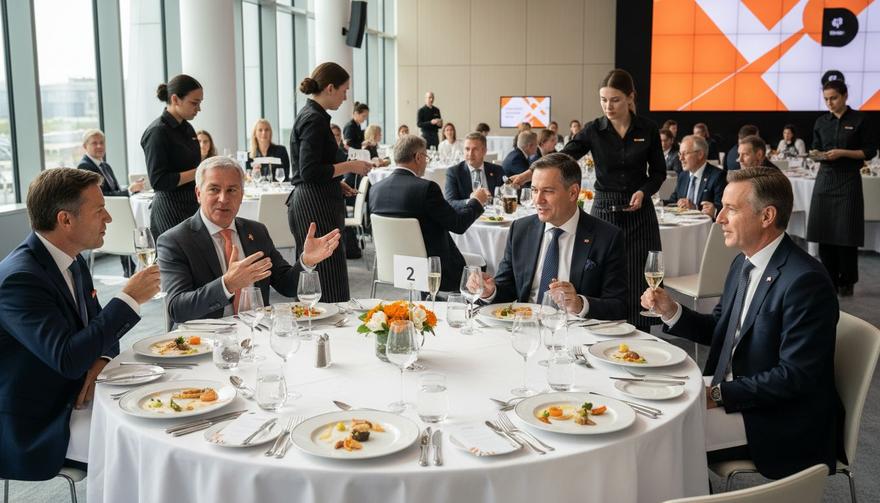
Complete Guide to Food and Beverage Planning
Every detail matters when it comes to planning corporate events, yet nearly 60 percent of organisers say catering is their biggest challenge. The right food and beverage strategy sets the tone, supports business goals, and keeps participants energized and engaged. From creative menu design to seamless service coordination, mastering this process helps events stand out and delivers an experience that leaves a lasting impression.
Table of Contents
- Food and Beverage Planning Defined
- Types of Food and Beverage Services
- Designing Menus for Corporate Events
- Budgeting and Supplier Coordination Essentials
- Managing Dietary Needs and Compliance
- Common Pitfalls and How to Avoid Them
Key Takeaways
| Point | Details |
|---|---|
| Strategic Planning | Food and beverage planning is essential for crafting experiences that align with event objectives and participant needs. |
| Dietary Compliance | Addressing diverse dietary requirements is critical for participant safety and satisfaction. |
| Service Styles | Selecting the appropriate food and beverage service style enhances engagement and meets event goals. |
| Risk Management | Anticipating potential challenges and maintaining clear communication are key to successful event execution. |
Food and Beverage Planning Defined
Food and beverage planning represents a strategic process of designing, coordinating, and managing culinary and drink offerings for corporate events, conferences, meetings, and professional gatherings. At its core, this discipline involves comprehensive preparation that transforms basic catering into a sophisticated experience tailored to specific organisational objectives and audience expectations.
The fundamental components of food and beverage planning encompass several critical elements:
- Menu Development : Creating balanced, nutritionally appropriate meal selections that accommodate diverse dietary requirements
- Cost Management : Calculating precise budgets and controlling expenditure without compromising quality
- Logistics Coordination : Ensuring seamless food preparation, transportation, service, and presentation
- Dietary Compliance : Addressing allergies, cultural preferences, religious restrictions, and nutritional guidelines
Professional food and beverage planning goes far beyond simply selecting dishes. It requires intricate understanding of event dynamics, participant demographics, venue capabilities, and organisational culture. Successful planners must navigate complex variables such as timing, portion control, service style, equipment requirements, and potential logistical challenges. They essentially function as culinary architects who transform raw ingredients and service protocols into memorable dining experiences that enhance overall event effectiveness.
From corporate conferences to board meetings, strategic food and beverage planning can significantly impact participant engagement, satisfaction, and the perceived professionalism of an event. By meticulously orchestrating every gastronomic detail, organisations can create environments that not only nourish attendees but also communicate subtle messages about their brand, attention to detail, and commitment to excellence.
Types of Food and Beverage Services
Food and beverage services encompass a diverse range of delivery methods designed to meet the unique requirements of different corporate events, conferences, and professional gatherings. Understanding these service styles allows event planners to select the most appropriate approach that aligns with their specific objectives, venue constraints, and attendee expectations.
The primary categories of food and beverage services include:
- Plated Service : Formal individual meal service where professionally trained staff deliver pre-prepared dishes directly to each attendee’s place setting
- Buffet Service : Self-service style where participants select from multiple food stations, offering greater variety and flexibility
- Family-Style Service : Communal dining approach where large platters are placed on tables, encouraging interaction and shared dining experiences
- Seated Meal Service : Structured dining format with preset menus, typically used for more formal corporate events and executive meetings
- Station-Based Service : Specialised areas offering different cuisine types or cooking styles, allowing participants to customize their dining experience
Each service style presents unique advantages and considerations for corporate event planning.
Plated service offers precision and elegance, ideal for high-stakes meetings and formal conferences. Buffet services provide greater menu diversity and accommodate varied dietary requirements, making them excellent for larger gatherings with diverse participant profiles. Family-style and station-based services can foster networking and create more interactive dining environments.
The selection of a specific food and beverage service style depends on multiple factors, including event size, budget, venue layout, organisational culture, and desired participant experience. Successful event planners carefully evaluate these variables to design dining experiences that not only satisfy nutritional needs but also enhance overall event engagement, communication, and professional atmosphere.
Designing Menus for Corporate Events
Menu design represents a sophisticated strategic process that transforms culinary selections into powerful communication tools for corporate events. Far beyond mere food preparation, effective menu planning integrates organisational objectives, participant expectations, dietary requirements, and professional brand messaging into a cohesive gastronomic experience.
Key considerations when crafting corporate event menus include:
- Dietary Diversity : Accommodating vegetarian, vegan, gluten-free, kosher, halal, and allergen-sensitive dietary requirements
- Nutritional Balance : Creating meals that provide sustained energy for professional environments
- Cultural Sensitivity : Selecting dishes that respect multicultural participant backgrounds
- Presentation Aesthetics : Ensuring visual appeal that reflects organisational professionalism
- Logistical Practicality : Designing menus compatible with venue capabilities and service styles
Successful menu development requires comprehensive understanding of event context. For executive conferences, sophisticated, precision-plated options might communicate refinement. Large industry networking events might demand more flexible buffet-style selections that encourage interaction. Stylish private dining options in the capital can provide inspiration for creating memorable culinary experiences that elevate corporate gatherings.
Ultimately, menu design transcends feeding participants - it becomes a strategic instrument for creating memorable, engaging event environments. By thoughtfully curating culinary offerings that align with organisational goals, event planners can transform dining from a basic necessity into a powerful tool for communication, networking, and brand representation.
Budgeting and Supplier Coordination Essentials
Budget management in food and beverage planning represents a critical strategic process that balances financial constraints with quality expectations for corporate events. Successful budget coordination requires meticulous planning, comprehensive market research, and strategic negotiation skills to deliver exceptional culinary experiences within prescribed financial parameters.
Key elements of effective budgeting and supplier coordination include:
- Cost Stratification : Breaking down expenses into granular categories like ingredient costs, labour, equipment, and service fees
- Supplier Diversification : Maintaining multiple vendor relationships to ensure competitive pricing and reliable service
- Price Benchmarking : Comparing market rates and negotiating transparent, fair pricing structures
- Contingency Planning : Allocating reserve funds for unexpected expenses or last-minute modifications
- Quality-Cost Optimization : Balancing financial constraints with high-standard culinary offerings
Professional event planners approach supplier relationships as strategic partnerships. Green event spaces in Shrewsbury demonstrate how innovative venue selection can influence overall budget management and sustainability goals. Effective supplier coordination involves developing long-term relationships, understanding vendor capabilities, and creating mutually beneficial agreements that provide flexibility and reliability.
Ultimately, successful budgeting transcends mere number-crunching.
It requires a holistic approach that considers organisational objectives, participant expectations, and the nuanced economics of food and beverage service. By implementing sophisticated budgeting strategies, event planners can transform financial constraints into opportunities for creativity, delivering memorable experiences that exceed expectations while maintaining fiscal responsibility.
Managing Dietary Needs and Compliance
Dietary management represents a complex intersection of nutritional science, cultural sensitivity, and legal compliance that has become increasingly critical in corporate event planning. Modern event organisers must navigate a sophisticated landscape of dietary requirements that extend far beyond traditional meal preferences, encompassing health needs, religious restrictions, ethical choices, and potential medical risks.
Comprehensive dietary management strategies must address multiple critical dimensions:
- Allergen Identification : Systematically tracking and communicating potential food allergens
- Religious Dietary Restrictions : Accommodating kosher, halal, and other faith-based nutritional guidelines
- Medical Dietary Needs : Managing requirements for diabetes, celiac disease, and other health conditions
- Ethical Dietary Choices : Providing options for vegetarian, vegan, and sustainability-focused participants
- Cross-Contamination Prevention : Implementing rigorous food preparation protocols
Professional event planners recognize that dietary compliance is not merely about providing alternative meal options. It represents a fundamental commitment to participant safety, respect, and inclusivity. Corporate summer event ideas can be significantly enhanced by demonstrating thoughtful dietary consideration, which signals organisational awareness and sophistication.
Effective dietary management requires a proactive, holistic approach that combines meticulous planning, clear communication, and flexible execution. By treating dietary needs as a strategic priority rather than an afterthought, event organisers can transform potential challenges into opportunities for creating meaningful, inclusive experiences that make every participant feel valued and respected.
Common Pitfalls and How to Avoid Them
Food and beverage planning involves navigating a complex landscape of potential challenges that can derail even the most meticulously planned corporate events. Successful event professionals understand that anticipating and mitigating potential issues is as crucial as the initial planning itself, requiring a proactive and strategic approach to risk management.
Common pitfalls in food and beverage planning include:
- Underestimating Attendance Variability : Failing to account for last-minute changes in participant numbers
- Inadequate Dietary Contingency : Not having sufficient alternative meal options
- Poor Communication with Suppliers : Lack of clear, detailed specifications and expectations
- Budget Miscalculations : Overlooking hidden costs and unexpected expenses
- Insufficient Logistical Preparation : Inadequate coordination between catering, venue, and event management teams
Stylish private dining options in the capital demonstrate how careful venue selection can mitigate many potential planning challenges. Experienced event planners develop robust contingency strategies that include flexible catering arrangements, comprehensive dietary documentation, and clear communication protocols with all service providers.
Navigating these potential pitfalls requires a multifaceted approach that combines meticulous planning, clear communication, and adaptive problem-solving. The most successful event planners treat potential challenges as opportunities for demonstrating professionalism and organizational excellence. By developing comprehensive risk management strategies, maintaining open lines of communication, and maintaining a flexible, solution-oriented mindset, corporate event planners can transform potential obstacles into seamless, memorable experiences that exceed participant expectations.
Elevate Your Corporate Events with Expert Food and Beverage Solutions
Planning impeccable food and beverage services demands careful attention to detail, from accommodating diverse dietary needs to managing budgets and supplier coordination. The challenges of creating memorable menus and seamless service styles can feel overwhelming, especially when aiming to impress executives and foster meaningful networking. You deserve a partner who understands these complexities and helps you transform culinary planning into a strategic asset.
Discover how Jigsaw Conferences can simplify your event journey by connecting you with the perfect venues that support tailored catering and customised food service options. Whether you need ideal settings for plated service, buffet arrangements, or stylish private dining, our expert team offers free venue search and booking assistance to find solutions that fit your budget and brand image. Start creating flawless, engaging dining experiences today by visiting Jigsaw Conferences and take the next step towards seamless food and beverage planning that impresses your guests and elevates your corporate event.
Frequently Asked Questions
What is food and beverage planning?
Food and beverage planning is the strategic process of designing, coordinating, and managing culinary and drink offerings for corporate events, aiming to create sophisticated dining experiences that align with organizational goals and audience expectations.
What are the main types of food and beverage services?
The main types of food and beverage services include plated service, buffet service, family-style service, seated meal service, and station-based service, each offering different advantages depending on the event’s size, formality, and participant preferences.
How can dietary needs be effectively managed during corporate events?
Effective dietary management can be achieved by systematically identifying allergens, accommodating religious dietary restrictions, managing medical dietary needs, offering ethical dietary choices, and preventing cross-contamination through rigorous food preparation protocols.
What common pitfalls should be avoided in food and beverage planning?
Common pitfalls in food and beverage planning include underestimating attendance numbers, inadequate dietary options, poor communication with suppliers, budget miscalculations, and insufficient logistical preparation. Proactive planning and robust contingency strategies can help mitigate these issues.
Jigsaw Conferences Editorial Team
Verified AuthorThe Jigsaw Conferences Editorial Team comprises venue finding experts with over 20 years of combined experience in the events and hospitality industry. Our team includes certified meeting professionals (CMP), venue sourcing specialists, and industry analysts who provide authoritative insights on venue selection, event planning, and corporate accommodation.