
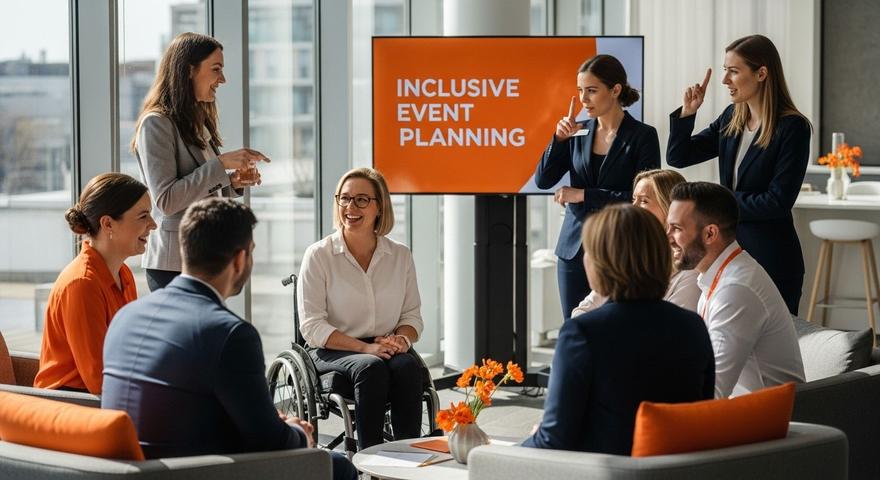
Inclusive Event Planning: Best Practices for Corporate Success
Corporate events can either bring teams together or leave some people feeling left out. Shockingly, only around 20 percent of disabled people find events fully accessible according to recent surveys. Yet accessibility is just the starting point and the real mark of success is creating gatherings where everyone feels genuinely seen, welcomed, and able to take part without barriers both big and small.
Table of Contents
- Understanding The Principles Of Inclusive Event Planning Creating A Culture Of Accessibility And BelongingDesigning Inclusive Event ExperiencesMeasuring And Evolving Inclusive Practices
- Identifying And Addressing Common Barriers Understanding Structural And Systemic BarriersNavigating Sensory And Cognitive AccessibilityDeveloping Proactive Mitigation Strategies
- Actionable Steps For Creating Accessible Events Venue And Physical Space ConsiderationsCommunication And Information AccessibilityInclusive Event Design And Participation Strategies
- Measuring Success And Gathering Inclusive Feedback Developing Comprehensive Feedback MechanismsHolistic Performance IndicatorsContinuous Improvement And Accountability
- Creating A Culture Of Accessibility And Belonging
- Designing Inclusive Event Experiences
- Measuring And Evolving Inclusive Practices
- Understanding Structural And Systemic Barriers
- Navigating Sensory And Cognitive Accessibility
- Developing Proactive Mitigation Strategies
- Venue And Physical Space Considerations
- Communication And Information Accessibility
- Inclusive Event Design And Participation Strategies
- Developing Comprehensive Feedback Mechanisms
- Holistic Performance Indicators
- Continuous Improvement And Accountability
Quick Summary
| Takeaway | Explanation |
|---|---|
| Embrace a culture of accessibility. | Foster an environment where all attendees feel valued, addressing their unique needs through intentional design and planning. |
| Identify and dismantle barriers. | Recognise both structural and systemic barriers that hinder participation, providing strategies to proactively mitigate these challenges. |
| Implement comprehensive feedback mechanisms. | Collect diverse feedback through accessible tools to understand participants’ experiences and continually improve future events. |
| Ensure inclusive communication strategies. | Offer event materials in various formats and languages to accommodate different learning styles and needs for full comprehension. |
| Design flexible participation options. | Incorporate both in-person and virtual attendance to allow broader access and engagement from all participants. |
Understanding the Principles of Inclusive Event Planning
Inclusive event planning represents a strategic approach that transforms traditional corporate gatherings into welcoming environments where every participant feels valued, respected, and empowered to contribute fully. This methodology goes far beyond mere compliance or tokenistic gestures, embedding genuine consideration for diverse human experiences into every aspect of event design and execution.
Creating a Culture of Accessibility and Belonging
At its core, inclusive event planning recognizes that attendees arrive with unique backgrounds, abilities, communication preferences, and potential barriers to full participation. Successful corporate events must proactively address these differences through intentional design. This means considering physical accessibility, sensory needs, cultural variations, and individual comfort levels.
Physical accessibility involves more than providing ramps or wheelchair spaces. It requires comprehensive venue assessments that examine everything from restroom facilities and signage to seating arrangements and navigation paths. Event planners must think holistically about how individuals with different mobility requirements can seamlessly engage with the entire event experience.
Communication accessibility is equally crucial. This includes providing materials in multiple formats such as large print, braille, audio descriptions, and sign language interpretation. Real-time captioning and translation services demonstrate a commitment to ensuring every participant can fully comprehend and interact with event content.
Designing Inclusive Event Experiences
Inclusive event planning demands a nuanced understanding of diverse participant needs. This begins with comprehensive pre-event communication that allows attendees to self-identify requirements and preferences. Registration forms should offer flexible options for gender identification, dietary requirements, accessibility needs, and communication accommodations.
Cultural sensitivity plays a significant role in creating inclusive environments. This means being mindful of potential religious observances, dietary restrictions, and cultural practices that might impact participant comfort. Thoughtful menu planning, prayer or quiet reflection spaces, and respectful scheduling that considers various cultural calendars are practical manifestations of inclusive design.
Technology can be a powerful enabler of inclusivity. Hybrid event formats that combine in-person and virtual participation remove geographical and physical barriers. Digital platforms should be designed with accessibility features like screen reader compatibility, keyboard navigation, and adjustable text sizes.
Measuring and Evolving Inclusive Practices
True commitment to inclusive event planning requires ongoing evaluation and improvement. Post-event feedback mechanisms should actively solicit input about participants’ experiences, with particular emphasis on understanding how well the event met diverse needs. Anonymous surveys, focus groups, and direct outreach can provide invaluable insights for future iterations.
Incorporating diverse perspectives into event planning teams is another critical strategy. When individuals from varied backgrounds are involved in design and decision-making, events naturally become more inclusive. This might involve consulting accessibility experts, engaging diverse community representatives, or creating advisory panels that reflect the multifaceted nature of modern corporate audiences.
Ultimately, inclusive event planning is not a destination but a continuous journey of learning, adaptation, and genuine respect for human diversity. By approaching corporate events as opportunities for meaningful connection and understanding, organizations can create transformative experiences that celebrate the unique contributions of every participant.
Identifying and Addressing Common Barriers
Successful inclusive event planning requires a proactive and systematic approach to recognising and dismantling barriers that might prevent full participation. These barriers are often complex, multifaceted, and deeply rooted in systemic challenges that extend beyond simple physical accommodations.
To help readers understand the range of barriers to inclusion discussed in the article, the following table summarises and contrasts key types of barriers to inclusive event participation and their examples, as described in the content.
| Barrier Type | Description | Examples Mentioned |
|---|---|---|
| Physical Barriers | Obstacles in the physical environment that hinder access or movement. | Inadequate ramps, restroom access, poor navigation |
| Structural/Systemic | Impediments built into event systems, policies, or organisational culture. | One-language events, lack of representative speakers |
| Communication Barriers | Issues that restrict information sharing or understanding. | Single format materials, lack of translations |
| Sensory Barriers | Environmental factors that challenge those with sensory differences. | Bright lights, noise overload, no quiet zones |
| Cognitive Barriers | Challenges related to processing or comprehending information. | Complex language, unclear materials |
| Representation Barriers | Lack of diversity or inclusion in event content, leadership, or organisation. | Speakers not reflecting diverse backgrounds |
| Psychological Barriers | Factors that inhibit feelings of safety or belonging. | Lack of psychological safety |
Understanding Structural and Systemic Barriers
Structural barriers represent the most fundamental challenges in creating inclusive corporate events. These are not merely physical impediments but complex social constructs that can exclude individuals based on various dimensions of identity and experience. Physical accessibility remains a critical concern, but contemporary inclusive event planning must also address less visible barriers related to communication, representation, and psychological safety.
Language represents a significant structural barrier. Corporate events frequently default to a single language or communication style, which can marginalise participants with different linguistic backgrounds or communication preferences. Effective inclusive event planning requires multilingual approaches, including real-time translation services, providing materials in multiple languages, and ensuring clear, straightforward communication that transcends cultural and linguistic boundaries.
Representation barriers are equally profound. When event content, speakers, and organisational leadership do not reflect diverse experiences, participants from underrepresented groups may feel alienated or undervalued. This goes beyond tokenistic diversity quotas and demands genuine, meaningful inclusion that amplifies varied perspectives and lived experiences.
Navigating Sensory and Cognitive Accessibility
Sensory accessibility is a crucial yet often overlooked aspect of inclusive event planning. Individuals with neurodivergent conditions, sensory processing differences, or specific accessibility requirements need carefully considered event design. This might involve creating quiet spaces for individuals who experience sensory overwhelm, providing noise-cancelling headphones, managing lighting conditions, and offering flexible participation options.
Cognitive accessibility requires thoughtful consideration of how information is presented and processed. This means designing event materials and presentations that are clear, concise, and adaptable to different learning and comprehension styles. Visual aids, simplified language, advanced agenda sharing, and opportunities for different interaction modes can significantly enhance cognitive accessibility.
Technology plays a pivotal role in breaking down sensory and cognitive barriers. Digital platforms that offer adjustable interfaces, screen reader compatibility, and multiple engagement formats can transform event experiences for participants with diverse needs. Hybrid event models that combine in-person and virtual participation provide additional flexibility and accessibility.
Developing Proactive Mitigation Strategies
Addressing barriers requires a systematic, ongoing approach that goes beyond reactive accommodation. Event planners must develop comprehensive strategies that anticipate and proactively mitigate potential exclusionary practices. This begins with creating diverse planning teams that inherently bring varied perspectives to event design.
Comprehensive pre-event communication is critical. Registration processes should include detailed accessibility questionnaires that allow participants to self-identify needs and preferences. These forms must be designed with sensitivity, offering multiple options and demonstrating a genuine commitment to understanding individual requirements.
Post-event evaluation is equally important. Feedback mechanisms should explicitly solicit input about accessibility and inclusivity, using anonymous surveys and focus groups to gain honest insights. These evaluations must be viewed not as compliance exercises but as genuine opportunities for continuous improvement.
Ultimately, identifying and addressing barriers is not a one-time task but a continuous commitment to creating corporate environments where every individual can fully participate, contribute, and feel genuinely valued. By adopting a holistic, empathetic approach to event planning, organisations can transform traditional gatherings into powerful platforms for genuine connection and mutual understanding.
Actionable Steps for Creating Accessible Events
Creating accessible events requires a systematic and comprehensive approach that goes beyond superficial accommodations. Successful inclusive event planning demands deliberate, strategic actions that address multiple dimensions of participant experience and engagement.
Venue and Physical Space Considerations
Physical accessibility begins with meticulous venue selection and design. Event planners must conduct thorough accessibility assessments that evaluate more than standard wheelchair ramps and ground floor access. This involves comprehensive spatial analysis considering multiple mobility requirements, sensory needs, and potential environmental challenges.
Venue evaluations should include detailed examinations of pathways, doorway widths, restroom facilities, seating arrangements, and navigation signage. Spatial flexibility becomes crucial, allowing participants to move comfortably and choose environments that suit their individual comfort levels. This might involve creating quiet zones, multiple seating options with varying levels of stimulation, and clear, intuitive wayfinding mechanisms.
Technology integration plays a significant role in physical accessibility. Modern venues should offer robust digital infrastructure supporting assistive technologies. This includes strong wireless networks, charging stations with accessible heights, integrated communication systems, and technology that supports screen readers and alternative input methods.
Communication and Information Accessibility
Effective communication strategies are fundamental to creating inclusive event experiences. Materials must be designed with universal accessibility in mind, which means providing information in multiple formats and considering diverse comprehension needs.
Documentation and presentation materials should be available in various accessible formats. This includes large print versions, braille translations, digital files compatible with screen readers, and audio descriptions. Live presentations require real-time captioning, sign language interpretation, and clear visual representations that support different learning styles.
Pre-event communication becomes equally critical. Registration processes should include comprehensive accessibility questionnaires that allow participants to specify individual requirements. These forms must be designed with sensitivity, offering multiple input options and demonstrating genuine commitment to understanding participant needs.
Inclusive Event Design and Participation Strategies
Inclusive event design transcends physical and communication considerations. It requires creating environments that foster psychological safety, encourage diverse participation, and recognise individual differences as strengths.
Event agendas should incorporate deliberate breaks, flexible participation models, and multiple engagement opportunities. This might involve offering both in-person and virtual attendance options, providing quiet spaces for sensory regulation, and designing interactive sessions that accommodate different communication preferences.
Diversity in speaker selection and content representation is paramount. Event lineups should intentionally feature speakers from varied backgrounds, representing different experiences, perspectives, and expertise. This demonstrates organisational commitment to genuine inclusion and provides participants with relatable role models.
Technology can be a powerful enabler of inclusive participation. Hybrid event formats that combine physical and digital experiences remove geographical and physical barriers. Digital platforms should be designed with comprehensive accessibility features like screen reader compatibility, keyboard navigation, adjustable text sizes, and multiple language options.
Post-event feedback mechanisms are crucial for continuous improvement. Anonymous surveys, focus groups, and direct outreach can provide invaluable insights into the effectiveness of accessibility strategies. These evaluations should explicitly solicit input about participant experiences, focusing on understanding how well the event met diverse needs.
Actionable accessibility is an ongoing journey of learning, adaptation, and genuine respect for human diversity. By approaching event planning as an opportunity to create meaningful, inclusive experiences, organisations can transform traditional gatherings into powerful platforms for connection, understanding, and collective growth.
The following table clearly organises the actionable steps for creating accessible and inclusive events, as detailed in the article, giving readers an at-a-glance checklist for planning considerations.
| Action Area | Key Steps and Considerations |
|---|---|
| Venue & Physical Space | Accessibility assessments (paths, seating, signage), spatial flexibility, assistive technology integration |
| Communication & Information Accessibility | Materials in multiple formats, live captioning/sign language, thorough pre-event accessibility questionnaires |
| Inclusive Event Design & Participation | Flexible attendance options (virtual & in-person), diverse speakers/content, deliberate agenda breaks, feedback |
| Feedback & Continuous Improvement | Anonymous surveys, focus groups, direct outreach, actioning participant input |
Measuring Success and Gathering Inclusive Feedback
Evaluating the effectiveness of inclusive event planning requires a sophisticated, multidimensional approach that goes beyond traditional metrics. Success measurement must capture both quantitative data and qualitative experiences, providing a comprehensive understanding of how well an event truly met diverse participant needs.
Developing Comprehensive Feedback Mechanisms
Effective feedback collection begins with designing inclusive evaluation tools that themselves demonstrate principles of accessibility and respect. Survey instruments must be available in multiple formats, including digital interfaces, printable documents, audio recordings, and alternative language versions. This ensures that the feedback process is itself an extension of inclusive event planning.
Feedback mechanisms should incorporate a blend of structured and open-ended questions that allow participants to share nuanced experiences. Quantitative rating scales provide measurable insights, while qualitative comment sections enable deeper exploration of individual perspectives. Questions must be carefully crafted to avoid bias and create safe spaces for honest reflection.
Anonymity plays a crucial role in gathering authentic feedback. Participants must feel confident that their responses will be treated confidentially and used constructively. Digital platforms that ensure complete anonymity, combined with clear communication about how feedback will be utilized, encourage more transparent and meaningful contributions.
Holistic Performance Indicators
Measuring inclusive event success requires moving beyond traditional attendance and satisfaction metrics. Comprehensive performance indicators should examine multiple dimensions of participant experience, including accessibility, representation, psychological safety, and opportunities for meaningful engagement.
Key performance indicators might include:.
- Demographic representation across speakers, panelists, and attendees
- Number of accessibility accommodations successfully implemented
- Participant engagement levels across different interaction formats
- Diversity of perspectives represented in event content
- Participant self-reported feelings of inclusion and belonging
Technology can provide sophisticated analytics to support these measurements. Digital event platforms offer detailed interaction data, allowing organizers to track participant engagement, content interaction, and communication patterns. These insights can reveal subtle barriers or opportunities for improvement that might not be immediately apparent.
Continuous Improvement and Accountability
Feedback collection should be viewed as part of an ongoing organisational learning process. Post-event evaluations are not merely assessment tools but critical opportunities for systemic improvement. Organizations must establish clear processes for reviewing, discussing, and implementing insights gained from participant feedback.
Transparency is key to building trust in inclusive event planning. Organizations should communicate how feedback has been used to inform future event design. This might involve publishing summary reports, sharing improvement strategies, and demonstrating tangible changes resulting from participant input.
Creating advisory panels or focus groups composed of individuals with diverse backgrounds can provide additional depth to feedback analysis. These groups can offer contextual insights, help interpret survey results, and provide recommendations for more nuanced inclusive strategies.
Ultimately, measuring success in inclusive event planning is about creating a dynamic, responsive approach that continuously evolves. By treating feedback as a collaborative dialogue rather than a one-way assessment, organizations can transform events into powerful platforms for genuine connection, understanding, and collective growth. The goal is not just to measure success but to actively create more inclusive, welcoming experiences that celebrate human diversity in all its complexity.
Frequently Asked Questions
What are the key principles of inclusive event planning?
Inclusive event planning focuses on creating environments where all attendees feel valued and empowered to participate. Key principles include accessibility, cultural sensitivity, communication, and continuous evaluation of practices.
How can I identify and address common barriers in inclusive event planning?
Identifying barriers involves understanding physical, structural, communication, sensory, cognitive, representation, and psychological challenges. Addressing these requires proactive strategies such as conducting thorough venue assessments, incorporating feedback mechanisms, and engaging diverse planning teams.
What actionable steps can be taken to create accessible events?
Actionable steps include assessing venue accessibility, offering communication materials in multiple formats, designing inclusive event experiences with flexible participation options, and implementing thorough post-event feedback mechanisms to gather participant insights.
How can success in inclusive event planning be measured?
Success can be measured through a range of holistic performance indicators, including participant representation, the effectiveness of accessibility accommodations, engagement levels, and self-reported feelings of inclusion and belonging among attendees.
Transform Inclusive Event Planning Into Seamless Success
Are you struggling to bridge the gap between intention and execution with your corporate gatherings? The article highlights how even with the best plans, accessible venues, reliable event coordination, and true inclusivity can remain elusive. Complex venue requirements, tailored accommodation, and participant accessibility often take up valuable hours, leaving planners feeling uncertain and pressed for time.
Jigsaw Conferences understands that every attendee deserves to feel welcomed, heard, and fully involved. Our venue-finding and event management services are built on the same principles of accessibility, flexibility, and true inclusion discussed in this guide. We help you source accessible venues, secure flexible accommodation for guests with specific needs, and deliver full support for your inclusive event goals. Explore our free venue search and support or learn how our comprehensive event management services can simplify even the most challenging requirements. Let us help you create events where everyone feels genuinely valued. Visit Jigsaw Conferences now to start your journey towards more inclusive, successful corporate events. Act today to secure accessible spaces for your next gathering.
Recommended
- Event Venues: Key Differences for Corporate Events | Jigsaw Conferences
- Event Accommodation Explained: Essential Solutions for Corporates | Jigsaw Conferences
- Event Accommodation Policies – Safeguarding Corporate Success | Jigsaw Conferences
- Venue Capacity Planning: Optimising Events Safely | Jigsaw Conferences
- What to Do if You Need Emergency Housing: A Step-by-Step Guide | Jigsaw Conferences
Jigsaw Conferences Editorial Team
Verified AuthorThe Jigsaw Conferences Editorial Team comprises venue finding experts with over 20 years of combined experience in the events and hospitality industry. Our team includes certified meeting professionals (CMP), venue sourcing specialists, and industry analysts who provide authoritative insights on venue selection, event planning, and corporate accommodation.