
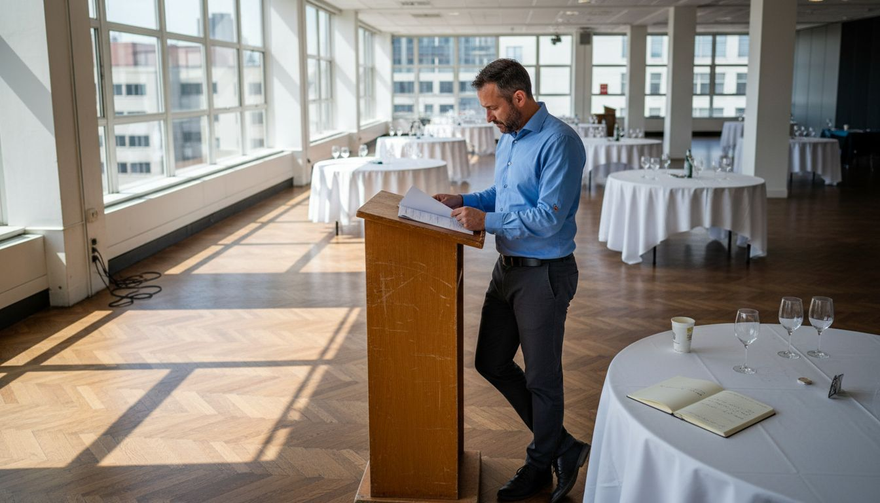
Private Venue Hire: Maximising Event Impact
Securing the right venue often defines the success or failure of a corporate event in cities like London or Manchester. With so many options on offer, making sense of policies, amenities, and pricing can quickly become overwhelming for even the most seasoned organiser. This guide offers clear insight into private venue hire for corporates , spotlighting contract terms, amenities, and budgeting strategies that help deliver professional events without hidden surprises.
Table of Contents
- Private Venue Hire Defined For Corporates
- What Makes Private Venues Work For Corporate Events
- Understanding Venue Policies And Service Packages
- Why Corporates Choose Private Venues
- Types Of Venues And Booking Models
- Common Corporate Venue Types
- Understanding Booking Models
- Core Contract Terms And Legal Duties
- Essential Contract Clauses
- Understanding Liability And Risk
- Costs, Packages, And Avoiding Pitfalls
- Understanding Pricing Structures
- Common Hidden Costs
- Strategies For Budget Optimisation
- Sustainability And Optimising Event Outcomes
- Why Sustainability Matters For Corporate Events
- Practical Sustainability Actions
- Measuring And Communicating Impact
Key Takeaways
| Point | Details |
|---|---|
| Private Venue Advantages | Private venues provide exclusivity and tailored amenities that enhance professionalism and attendee experience for corporate events. |
| Booking Process Awareness | Understanding venue policies, service packages, and pricing structures is crucial to avoid hidden costs and ensure a smooth planning process. |
| Sustainability Integration | Implementing sustainable practices not only reduces costs but also bolsters brand reputation and aligns with modern corporate values. |
| Key Contract Review | Carefully reviewing venue contracts for payment terms, cancellation policies, and liability clauses protects your organisation from potential financial liabilities. |
Private Venue Hire Defined for Corporates
Private venue hire means booking dedicated spaces specifically designed for business gatherings. Unlike standard commercial spaces, private venues offer flexibility, professional amenities, and customisable layouts tailored to your corporate objectives.
When you hire a private venue, you gain control over several critical elements. You can shape the environment to match your event’s tone, configure the room layout, manage guest access, and select service packages that align with your budget and requirements.
Private venues differ significantly from public spaces. They offer exclusivity, which means your event won’t share facilities with competing activities or unrelated groups. This creates a focused, professional atmosphere for your attendees.
What Makes Private Venues Work for Corporate Events
Corporate environments demand specific capabilities that private venues provide consistently.
Key features include:
- Dedicated meeting spaces with flexible configurations for conferences, seminars, or presentations
- Professional audio-visual equipment and technical support built into standard offerings
- Climate control and secure access to maintain professionalism throughout your event
- Catering facilities or approved catering partnerships to streamline food and beverage management
- Parking, disabled access, and transport links to accommodate all attendees
- Private break-out areas for networking or confidential discussions between sessions
These amenities matter because they eliminate on-the-day problems that derail corporate events. A venue with integrated AV support means you won’t scramble to troubleshoot presentations. Dedicated parking reduces late arrivals and stress.
Private venues give you control over your event’s environment, eliminating variables that damage professionalism and attendee experience.
Private venues give you control over your event’s environment, eliminating variables that damage professionalism and attendee experience.
When selecting a private venue, you’re essentially purchasing peace of mind alongside physical space. The venue becomes your partner in executing a successful gathering that reflects positively on your organisation.
Understanding Venue Policies and Service Packages
Private venues typically operate under defined policies covering booking terms, cancellation procedures, and acceptable uses. These policies ensure alignment with venue objectives and protect both parties.
Service packages vary widely between venues. Some provide basic room hire with minimal additional support. Others offer comprehensive packages including setup, catering coordination, technical assistance, and post-event breakdown. You’ll need to understand what each venue includes before committing.
Cancellation terms deserve particular attention. Check whether the venue offers flexibility if your attendance numbers shift significantly or circumstances change. Some venues allow modifications up to 30 days before your event; others impose stricter deadlines.
Think about accessibility requirements early. Quality private venues accommodate mobility needs, dietary requirements, and accessibility technologies. Building these into your booking prevents costly last-minute scrambles.
Understanding the complete booking process helps you avoid surprises. The venue booking process for corporates outlines what happens from initial inquiry through final confirmation.
Why Corporates Choose Private Venues
Three practical reasons drive corporate venue hiring decisions.
First, brand control. Your event reflects your organisation’s values and professionalism. A private venue gives you complete environmental control rather than competing for attention in shared spaces.
Second, attendee experience. Private venues eliminate distractions and interruptions. Delegates focus entirely on content and networking rather than navigating shared facilities.
Third, operational simplicity. You work with a single venue team rather than coordinating multiple external suppliers. One contact manages logistics, reducing communication friction and potential errors.
Professional insight Confirm in writing what the venue includes in their base rate, as assumptions about included services cause more booking disputes than any other single factor.
Types of Venues and Booking Models
Venue types vary significantly depending on your event size, format, and corporate objectives. Understanding what’s available helps you match your gathering to the right space rather than forcing your event into an unsuitable location.
Different venues serve different purposes. A boardroom works for confidential strategy sessions with 12 people. An auditorium suits product launches with 500 attendees. A breakout space suits networking between seminar sessions. Each venue type has distinct advantages and limitations.
Common Corporate Venue Types
Most corporate events fit into recognisable venue categories that offer predictable configurations and capabilities.
Standard venue types include:
- Meeting rooms and boardrooms for intimate gatherings, confidential discussions, and small team workshops
- Banquet halls for formal dinners, awards ceremonies, and larger seated events
- Auditoriums and theatres for keynote presentations, large conferences, and broadcast-style events
- Flexible event spaces offering modular layouts that adapt to your specific needs and attendee flow
- Boutique venues such as country houses, museums, or converted warehouses for distinctive brand experiences
- Hotels with conference facilities combining accommodation, dining, and meeting spaces in one location
Each type brings different operational considerations. Flexible event rooms require less pre-planning than fixed theatrical setups. Boutique venues demand longer lead times but create memorable experiences. Hotels simplify logistics for multi-day conferences.
Your choice affects budget, attendee comfort, and event flow directly. A venue selected purely for cost savings might create poor sightlines or inadequate catering facilities, damaging attendee perception.
Matching your event format to the right venue type prevents logistical friction and enhances professional impact.
Matching your event format to the right venue type prevents logistical friction and enhances professional impact.
Understanding Booking Models
Venues operate under different booking structures that affect your flexibility, costs, and operational control.
Common booking models include:
- Hourly hire – Pay for specific hours used, ideal for short meetings or half-day events with tight budgets
- Full-day packages – Fixed price covers the entire day, often including setup and breakdown time
- Bespoke packages – Customised combinations of room hire, catering, AV support, and staffing tailored to your event
- Tiered pricing – Venue charges vary based on attendee numbers, time of week, or season
- Inclusive venue packages – Everything bundled together, reducing external vendor coordination
Booking models affect your planning timeline and budget certainty. Hourly hire requires precise scheduling but minimises wasted costs. Bespoke packages cost more but eliminate surprise charges and vendor coordination headaches.
Venue booking systems typically require advance scheduling to align with institutional calendars , ensuring resource availability and conflict prevention.
Different venues favour different models. Premium boutique venues typically demand minimum spend or full-day hire. Hotels use tiered pricing tied to attendee numbers. Flexible multipurpose spaces often offer hourly options.
Understanding what each model includes prevents costly misunderstandings. Some venues include AV support in their base rate; others charge separately. Some allow external catering; others enforce exclusive partnerships.
The following table compares popular booking models to help you match them to your event needs:
| Booking Model | Budget Predictability | Flexibility Level | Best Use Case |
|---|---|---|---|
| Hourly hire | High for short bookings | Most flexible | Brief meetings, workshops |
| Full-day package | Fixed, very predictable | Moderate; less customisable | Conferences, all-day corporate events |
| Bespoke package | Variable; tailored pricing | Highly flexible | Brand launches, VIP events |
| Tiered pricing | Good if attendance known | Flexible for group size | Events with variable attendance |
| Inclusive venue package | Highest cost certainty | Often least flexible | Turnkey events, minimal organiser input |
Professional advice Request a detailed itemised quote showing exactly what’s included in the quoted price, as ‘all-inclusive’ claims often hide hidden costs or conditional services.
Core Contract Terms and Legal Duties
Venue contracts protect both parties by clarifying expectations, costs, and responsibilities. Reading them properly prevents misunderstandings that damage events and drain budgets unexpectedly.
Most corporate event planners skip detailed contract review. They assume standard terms apply everywhere. This assumption costs money when disputes arise over cancellation policies, damage liability, or service inclusions.
A strong contract defines who pays for what, when payments occur, and what happens if circumstances change. It also clarifies legal responsibilities if something goes wrong during your event.
Essential Contract Clauses
Venue contracts typically include specific clauses addressing key operational and financial concerns.
Critical clauses to review:
- Payment terms specifying deposit amounts, payment schedule, and final settlement deadlines
- Cancellation policies defining refund conditions if you cancel, and penalties for late withdrawal
- Damage and security deposits clarifying what’s covered and how deposits are returned or forfeited
- Liability and indemnification establishing who bears responsibility for accidents, injuries, or property damage
- Force majeure addressing unforeseen circumstances like severe weather or pandemics beyond anyone’s control
- Use restrictions specifying what activities are permitted and what’s prohibited at the venue
Each clause directly affects your financial exposure and operational flexibility. Cancellation policies and damage liability clauses deserve particular scrutiny because they determine your financial risk if circumstances change.
Payment terms vary widely. Some venues demand 50% deposit upon booking with final payment 14 days before your event. Others charge monthly if your event spans multiple months. Clarify exactly when money changes hands to prevent cash flow surprises.
Below, key contract clauses are summarised for their direct effect on event risk and organiser responsibility:
| Clause Type | Main Purpose | Potential Organiser Impact |
|---|---|---|
| Payment terms | Defines deposits, deadlines | Affects cash flow, planning precision |
| Cancellation policies | Outlines refunds, penalties | Dictates risk of last-minute changes |
| Damage/security deposit | Protects against loss/damage | May increase upfront costs |
| Liability/indemnification | Allocates responsibility for incidents | Exposes organiser to legal claims |
| Force majeure | Plans for unforeseeable disruptions | Allows event to be rescheduled/refunded |
| Use restrictions | Limits allowed activities | May restrict event scope or suppliers |
Contracts protect you by spelling out expectations clearly; vague terms create disputes that damage professional relationships.
Contracts protect you by spelling out expectations clearly; vague terms create disputes that damage professional relationships.
Understanding Liability and Risk
Liability clauses determine who pays if someone gets injured, property gets damaged, or something else goes wrong during your event.
Liability typically works like this:
- Venue liability – The venue operator is responsible for their facilities, staff, and systems. They carry insurance covering their negligence.
- Hirer liability – You become responsible for your attendees’ conduct, your event setup, and external suppliers you arrange.
- Shared responsibility – Some contracts split liability based on who caused the problem. A slippery floor the venue ignored is their problem; an attendee tripping is yours.
Insurance becomes critical here. Check whether the venue’s liability insurance covers your event, or whether you need separate event insurance. Most corporate events benefit from additional coverage protecting against unforeseen cancellations or attendee injuries.
Indemnification clauses require one party to cover the other’s legal costs if a third party sues. Read these carefully—they can create surprising financial obligations.
Force majeure clauses address situations beyond anyone’s control: pandemics, floods, severe weather, or civil disturbances. Good contracts allow rescheduling or refunds if force majeure prevents your event. Poor contracts leave you paying full fees despite cancellation being impossible.
Professional guidance Have your organisation’s legal team review the contract before signing, particularly liability and cancellation clauses, as these create the largest financial and legal exposure.
Costs, Packages, and Avoiding Pitfalls
Venue costs vary dramatically based on location, size, duration, and included services. Understanding pricing structures prevents budget overruns that derail event planning and damage your credibility with stakeholders.
Most planners focus on the headline venue rental fee and miss hidden costs entirely. A £2,000 boardroom becomes £3,500 when you add catering, audio-visual setup, security deposits, and parking charges.
Transparency matters more than absolute price. A venue quoting £5,000 all-inclusive beats one quoting £2,500 base rate with twelve additional line items.
Understanding Pricing Structures
Venues charge using different models that directly impact your budget calculations and financial predictability.
Common pricing approaches include:
- Fixed room rental – Single charge covering the space for specified hours, regardless of attendance numbers
- Per-person pricing – Cost multiplies based on guest count, typically including catering and basic amenities
- Tiered pricing – Different rates apply to different room configurations or time slots (peak versus off-peak)
- Package deals – Bundled services at a single price covering room, catering, AV, and setup
- Hybrid models – Base room fee plus per-person charges for food and beverage only
Venue cost structures vary significantly by location and amenities , making detailed comparison essential before committing budget.
Prime locations cost substantially more. Central London venues cost two to three times more than equivalent spaces in outer boroughs or regional cities. Off-peak bookings (Tuesdays to Thursdays, outside school holidays) typically attract 15-30% discounts compared to Friday and Saturday rates.
Package deals often provide better value than assembling services separately. However, bundled packages sometimes lock you into inferior catering or limit customisation options. Request itemised quotes showing component costs so you understand what you’re actually paying for.
Hidden costs destroy budgets more reliably than headline venue fees; always request complete itemised quotes before comparing venues.
Hidden costs destroy budgets more reliably than headline venue fees; always request complete itemised quotes before comparing venues.
Common Hidden Costs
Venues often exclude critical expenses from their base quotes, creating surprise charges that appear later.
Watch for these frequently missed items:
- Security deposits – Refundable fees (typically £250-£1,000) held against damage or cleaning
- Audio-visual and technology fees – Charges for projectors, screens, sound systems, or Wi-Fi upgrades
- Parking charges – Per-space fees or block booking costs attendees often overlook
- Setup and breakdown time – Additional hourly rates if you need hours before or after your event
- Staff gratuity – Service charges or gratuity automatically added to catering invoices
- Bar service charges – Corkage fees if you supply alcohol, or mandatory bar markups
- Cleaning and waste management – Post-event deep cleaning or specialist waste disposal costs
Ask venues specifically what’s included in their quoted price and what costs extra. Request a complete price schedule before committing. Many corporate event managers negotiate these additional charges during initial booking discussions rather than accepting standard rates.
Strategies for Budget Optimisation
Smart planning reduces costs without compromising event quality or professional impact.
Effective cost-management tactics:
- Book off-peak timeframes – Tuesday morning workshops cost significantly less than Friday evening events
- Combine services – Venues offering catering, AV, and accommodation together often discount more than using external suppliers
- Negotiate volume discounts – Larger attendee numbers and longer contracts attract better rates
- Request itemised quotes – Compare actual services rather than headline figures
- Clarify what’s included – Confirm whether catering, parking, and AV support are included or additional costs
Expert tip Request three to five competitive quotes showing identical services, room layouts, and timings so you compare actual value rather than just headline prices—this reveals which venues offer genuine value versus which ones rely on hidden fees.
Sustainability and Optimising Event Outcomes
Sustainable event planning isn’t about sacrifice—it’s about smarter decisions that reduce costs, enhance brand reputation, and deliver better outcomes for attendees and stakeholders alike.
Corporate events generate significant environmental impact through travel, energy consumption, waste, and resource use. Integrating sustainability transforms these impacts whilst strengthening your event’s professional credibility and stakeholder engagement.
Modern corporate clients expect venues and events to demonstrate environmental responsibility. Sustainability becomes a competitive advantage, not a compliance burden.
Why Sustainability Matters for Corporate Events
Sustainable practices directly improve event outcomes across financial, environmental, and social dimensions.
Key benefits include:
- Cost reduction – Efficient resource management, waste reduction, and energy optimisation lower operational expenses
- Enhanced brand perception – Demonstrating corporate responsibility strengthens stakeholder trust and employee satisfaction
- Improved attendee experience – Well-managed venues with environmental controls create healthier, more comfortable spaces
- Risk mitigation – Sustainable practices reduce compliance risks and potential regulatory penalties
- Stakeholder alignment – Many corporate clients now mandate sustainability requirements for their events
Sustainable events aren’t more expensive—they’re often cheaper once you optimise resource use properly. A venue with efficient heating reduces utility costs. Digitised registration eliminates paper and printing expenses. Public transport incentives reduce parking demands and associated costs.
Global sustainability standards for events provide frameworks that guide environmental and social responsibility integration throughout event planning and execution.
Sustainable events cost less to operate, enhance brand reputation, and attract better attendees—it’s practical business strategy, not environmental charity.
Sustainable events cost less to operate, enhance brand reputation, and attract better attendees—it’s practical business strategy, not environmental charity.
Practical Sustainability Actions
You don’t need to overhaul everything. Start with high-impact changes that deliver results without disrupting event logistics.
High-impact sustainability practices:
- Waste reduction – Provide recycling and composting facilities, eliminate single-use plastics, use reusable catering serviceware
- Transport management – Promote public transport with journey planning, arrange shuttle services, offer cycle parking
- Energy efficiency – Select venues with LED lighting, efficient HVAC systems, and renewable energy sources
- Water conservation – Install sensor-activated taps, eliminate bottled water by providing filtered stations
- Digitisation – Use event apps instead of printed materials, digital signage rather than paper posters
- Catering responsibility – Source local seasonal food, reduce meat-heavy menus, minimise food waste
Practical sustainable event actions including waste reduction and digital alternatives significantly reduce environmental impacts whilst often lowering operational costs simultaneously.
Start with two or three changes you can implement immediately. Track results and build from there. Most organisations find that initial sustainability efforts pay for themselves through reduced waste disposal, energy, and material costs.
Measuring and Communicating Impact
Sustainability means little unless you measure results and communicate progress to stakeholders.
Key metrics to track:
- Carbon footprint – Estimate emissions from travel, energy, and waste
- Waste diverted – Measure percentage of waste recycled or composted versus landfilled
- Energy consumption – Track utility usage and compare to previous events
- Attendee participation – Monitor sustainable option uptake (public transport, digital materials)
- Cost savings – Document reduced expenses from sustainability measures
Document your sustainability efforts in post-event reports shared with stakeholders. This demonstrates corporate responsibility commitment and justifies continued investment in sustainable practices.
Practical tip Start by selecting venues with established sustainability certifications and practices rather than trying to retrofit sustainability into unsuitable spaces—this dramatically simplifies implementation and improves outcomes.
Elevate Your Corporate Event with Expert Private Venue Hire Solutions
Organising a corporate event demands meticulous control over venue choice, facilities, and service packages to ensure professionalism and a seamless experience. This article highlights key challenges such as managing cancellation policies, avoiding hidden costs, and matching event formats with the right venue type to maximise impact and attendee engagement. Jigsaw Conferences understands these pain points and offers a comprehensive, free venue-finding service tailored specifically for corporate clients seeking private venues with flexible booking models and integrated amenities.
Benefit from our extensive industry expertise gained since 2003 by accessing a wide selection of vetted venues that provide essential features including dedicated meeting spaces, AV support, and sustainable event options. Avoid common pitfalls like unclear contract terms or unexpected charges by leveraging our negotiation skills and personalised support.
Discover how to simplify your event planning and guarantee professional, cost-effective private venue hire by exploring our platform at Jigsaw Conferences . Ready to maximise your event impact without the usual stress Get started today with a no-obligation venue search and personalised booking assistance at Jigsaw Conferences. Learn more about our free services and corporate housing options on our landing page and take control of your next event with confidence.
Frequently Asked Questions
What are the key benefits of hiring a private venue for corporate events?
Hiring a private venue offers exclusivity, control over the environment, and tailored amenities that enhance professionalism and attendee experience. This ensures focused engagement during events without the distractions of other activities.
How can I ensure the venue meets my corporate event requirements?
When selecting a private venue, assess its features such as meeting space configurations, AV equipment, climate control, and accessibility. Additionally, review service packages to ensure they match your needs for catering and guest management.
What should I know about venue policies before booking?
It’s essential to review the venue’s policies, including booking terms, cancellation procedures, and acceptable uses. Understanding these will help align expectations and protect your interests should any changes arise.
How do different booking models impact venue costs?
Venue booking models can include hourly hire, full-day packages, bespoke options, tiered pricing, and inclusive packages. Each model affects your budget predictability and flexibility, so consider which aligns best with your event’s needs and objectives.
Jigsaw Conferences Editorial Team
Verified AuthorThe Jigsaw Conferences Editorial Team comprises venue finding experts with over 20 years of combined experience in the events and hospitality industry. Our team includes certified meeting professionals (CMP), venue sourcing specialists, and industry analysts who provide authoritative insights on venue selection, event planning, and corporate accommodation.