
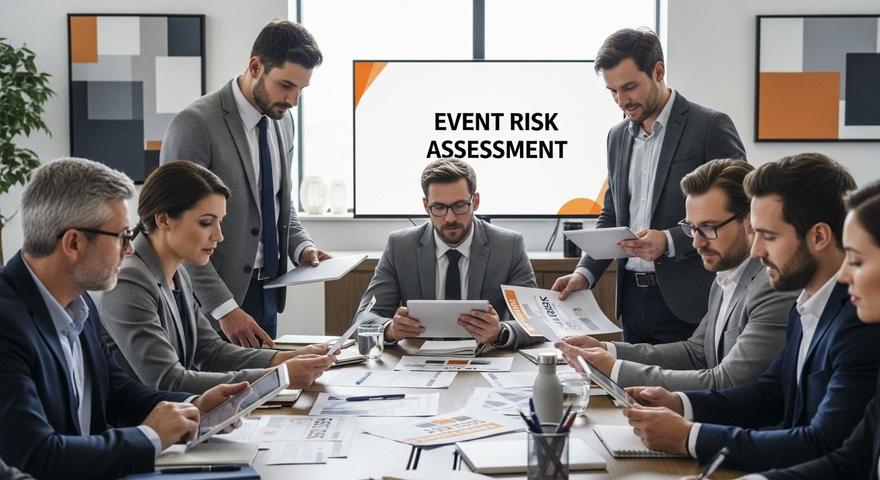
Understanding Event Risk Assessment in Corporate Planning
Corporate events can involve hundreds of moving parts and even the slightest disruption can cost more than just time or money. Surprising as it sounds, around 60 percent of businesses report having experienced at least one major event disruption in the past three years . Most believe solid planning will keep them safe but real protection comes from something far deeper than simple checklists and schedules.
Table of Contents
- Defining Event Risk Assessment: What It Is Understanding The Core ConceptKey Components Of Event Risk Assessment
- The Importance Of Event Risk Assessment In Planning Protecting Organisational InterestsStrategic Benefits Of Comprehensive Risk Analysis
- How Event Risk Assessment Works: Key Components Systematic Risk IdentificationRisk Evaluation And Prioritisation
- Real-World Applications Of Event Risk Assessment Industry-Specific Risk ManagementPractical Implementation Scenarios
- Addressing Challenges And Enhancing Event Safety Complex Risk Management StrategiesCritical Safety Enhancement Techniques
Quick Summary
| Takeaway | Explanation |
|---|---|
| Event risk assessment is essential for success. | It helps organisations identify and address potential challenges that might disrupt corporate gatherings. |
| Implement a systematic risk identification process. | Conduct thorough investigations across various dimensions to understand all potential risks associated with an event. |
| Evaluate and prioritise risks effectively. | Use analytical techniques to assess risks based on their likelihood and the potential severity of their impact. |
| Develop adaptive mitigation strategies. | Create flexible response plans that can be adjusted as new challenges emerge during event planning and execution. |
| Enhance event safety through diverse strategies. | Incorporate technology, training, and clear communication protocols to safeguard participants and ensure smooth operations. |
Defining Event Risk Assessment: What It Is
Event risk assessment represents a strategic approach organisations use to systematically identify, analyse, and mitigate potential challenges that could disrupt or negatively impact corporate events. This comprehensive process helps businesses proactively manage uncertainties and safeguard their planned gatherings, whether they are conferences, product launches, team-building retreats, or large-scale corporate meetings.
Understanding the Core Concept
At its fundamental level, event risk assessment involves a methodical evaluation of potential threats and vulnerabilities surrounding an event. This process goes beyond simple logistical planning and delves into anticipating scenarios that might compromise the event’s success, safety, or strategic objectives. Corporate planners examine multiple dimensions of potential risks, including physical safety, operational disruptions, financial implications, reputational damage, and unforeseen external factors.
Key Components of Event Risk Assessment
Effective event risk assessment typically encompasses several critical components that provide a holistic understanding of potential challenges. These fundamental elements include:
- Hazard Identification : Systematically recognising potential risks specific to the event context
- Probability Analysis : Evaluating the likelihood of identified risks occurring
- Impact Evaluation : Determining the potential consequences if a risk materialises
- Mitigation Strategy Development : Creating targeted plans to prevent or minimise identified risks
By integrating these components, organisations transform risk assessment from a theoretical exercise into a practical, actionable framework. The goal is not to eliminate all risks but to understand them thoroughly and develop intelligent, proportionate responses that protect the event’s integrity and organisational objectives.
Professional event planners recognise that risk assessment is an ongoing, dynamic process. It requires continuous monitoring, adaptability, and a proactive mindset. Each event presents unique challenges, making a standardised yet flexible approach crucial for comprehensive risk management.
The Importance of Event Risk Assessment in Planning
Event risk assessment transcends mere procedural compliance. It represents a strategic imperative for organisations seeking to protect their investments, reputation, and stakeholder interests during corporate gatherings. By systematically anticipating potential challenges, businesses can transform uncertainty from a potential threat into a manageable aspect of event planning.
Protecting Organisational Interests
Risk assessment serves as a critical shield for corporate entities, helping them navigate complex event landscapes with greater confidence and resilience. When organisations conduct thorough risk evaluations, they create robust frameworks that protect financial investments, participant safety, and brand reputation. This proactive approach allows companies to identify potential vulnerabilities before they escalate into significant problems that could compromise event objectives or cause substantial operational disruptions.
Strategic Benefits of Comprehensive Risk Analysis
Comprehensive event risk assessment delivers multiple strategic advantages for organisations. These benefits extend far beyond simple hazard mitigation and encompass broader organisational planning and strategic decision making:
- Financial Protection: Minimising potential monetary losses through anticipatory planning
- Stakeholder Confidence: Demonstrating professional preparedness and commitment to safety
- Legal Compliance: Ensuring adherence to regulatory requirements and industry standards
- Operational Continuity: Developing flexible response mechanisms for unexpected challenges
Financial Protection : Minimising potential monetary losses through anticipatory planning
Stakeholder Confidence : Demonstrating professional preparedness and commitment to safety
Legal Compliance : Ensuring adherence to regulatory requirements and industry standards
Operational Continuity : Developing flexible response mechanisms for unexpected challenges
Professional event planners understand that effective risk assessment is not about creating restrictive environments but developing intelligent, adaptive strategies. By recognising potential challenges early, organisations can design more resilient events that maintain their core objectives while providing comprehensive protection for all participants. This approach transforms risk from a potential obstacle into a strategic opportunity for enhanced planning and execution.
How Event Risk Assessment Works: Key Components
Event risk assessment operates as a systematic methodology that transforms potential uncertainties into manageable strategic challenges. This process involves a structured approach that enables organisations to comprehensively evaluate, prioritise, and mitigate potential risks before they can significantly impact corporate events.
Systematic Risk Identification
The initial phase of event risk assessment focuses on thorough and meticulous identification of potential risks. Corporate planners conduct exhaustive investigations across multiple dimensions, examining physical, operational, technological, and human factors that could potentially disrupt event objectives. This stage requires a holistic perspective, considering both internal organisational constraints and external environmental variables that might influence event outcomes.
Risk Evaluation and Prioritisation
Once risks are identified, organisations employ sophisticated analytical techniques to evaluate and prioritise their potential impact. This critical stage involves assessing two fundamental dimensions of each identified risk:
- Probability: The likelihood of a specific risk occurrence
- Severity: The potential magnitude of consequences if the risk materialises
- Impact Assessment: Determining potential financial, reputational, and operational ramifications
- Scoring Mechanism: Developing a structured approach to rank and categorise risks
Probability : The likelihood of a specific risk occurrence
Severity : The potential magnitude of consequences if the risk materialises
Impact Assessment : Determining potential financial, reputational, and operational ramifications
Scoring Mechanism : Developing a structured approach to rank and categorise risks
Professional risk assessment professionals utilise advanced matrix techniques and scoring systems to transform subjective risk perceptions into objective, quantifiable data. This approach enables organisations to allocate resources strategically, focusing preventative efforts on risks with the highest potential for significant disruption. By converting potential threats into manageable challenges, event planners can design more resilient, adaptable event strategies that protect organisational interests while maintaining flexibility and innovation.
Real-World Applications of Event Risk Assessment
Event risk assessment transcends theoretical frameworks, delivering tangible benefits across diverse corporate environments. By translating strategic analysis into practical implementation, organisations can proactively manage potential challenges and protect their critical business gatherings from unforeseen disruptions.
Industry-Specific Risk Management
Different sectors approach event risk assessment with unique perspectives tailored to their specific operational contexts. Financial institutions might focus on cybersecurity vulnerabilities during conference technology deployments, while healthcare organisations prioritise participant health and safety protocols. Manufacturing companies often emphasise equipment reliability and technical infrastructure risks during large-scale corporate meetings, demonstrating how risk assessment adapts to specific organisational requirements.
Practical Implementation Scenarios
The following table provides an overview of how different industries apply event risk assessment, highlighting sector-specific focal points and priorities.
| Industry | Primary Risk Focus | Risk Management Examples |
|---|---|---|
| Financial Institutions | Cybersecurity, data protection | Securing conference technology infrastructures |
| Healthcare | Participant health, safety protocols | Health screening, infection control measures |
| Manufacturing | Equipment reliability, technical infrastructure risks | Ensuring equipment safety, operational continuity |
| International Business | Geopolitical uncertainties, travel contingencies | Contingency planning for international summits |
| Technology | Cyber threats, digital infrastructure vulnerabilities | Safeguarding networking and IT systems at conferences |
Comprehensive event risk assessment manifests through multiple practical applications that showcase its strategic value:
- Technology Conferences : Managing cybersecurity risks and digital infrastructure vulnerabilities
- Healthcare Symposiums : Implementing robust health screening and infection control protocols
- International Business Summits : Addressing geopolitical uncertainties and travel-related contingencies
- Large Manufacturing Events : Ensuring equipment safety and operational continuity
Professional event planners recognise that effective risk assessment is not about creating restrictive environments but developing intelligent, adaptive strategies. By understanding potential challenges across different scenarios, organisations can design more resilient events that maintain core objectives while providing comprehensive protection for all participants. This approach transforms risk from a potential obstacle into a strategic opportunity for enhanced planning and execution, ultimately delivering more secure and successful corporate gatherings.
Addressing Challenges and Enhancing Event Safety
Event safety represents a complex, multidimensional challenge requiring comprehensive strategic approaches. Corporate organisations must develop sophisticated mechanisms that anticipate potential risks while maintaining the flexibility to respond dynamically to emerging threats and unexpected circumstances during event planning and execution.
Complex Risk Management Strategies
Navigating event safety demands a nuanced understanding of interconnected risk factors. Professional event planners must synthesise information from multiple sources, balancing technical expertise with strategic foresight. This approach involves creating comprehensive frameworks that account for human behaviour, technological vulnerabilities, environmental conditions, and organisational constraints.
Critical Safety Enhancement Techniques
Effective event safety strategies incorporate multiple sophisticated techniques designed to mitigate potential risks and protect participant wellbeing:
- Technological Monitoring : Implementing advanced digital surveillance and threat detection systems
- Scenario Simulation : Conducting comprehensive emergency response rehearsals
- Communication Protocols : Establishing clear, hierarchical communication channels during potential crisis situations
- Continuous Training : Developing ongoing professional development programmes for event safety personnel
Professional risk management specialists understand that event safety is not a static concept but a dynamic, evolving discipline. By embracing adaptive strategies, organisations can transform potential vulnerabilities into opportunities for enhanced preparedness. The most successful approaches integrate technological solutions, human expertise, and strategic planning to create robust safety ecosystems that protect participants while maintaining the strategic objectives of corporate events.
Make Event Risk Management Effortless With Professional Venue Solutions
Feeling overwhelmed by the complexities of event risk assessment outlined above? Corporate planners face significant challenges when it comes to identifying, evaluating and mitigating every possible risk before an event. Ensuring operational continuity, safeguarding reputations, and keeping participants safe require proven solutions and reliable partners. Jigsaw Conferences understands these pressures and brings decades of expertise to help you address every aspect of risk management – from tailored venue sourcing to flexible accommodation and event support.
Why leave your next corporate event to chance? Discover how our free, no-obligation venue finding and event management service can transform your event planning process. With our specialist team, you gain access to an extensive network of vetted venues, preferential rates, and flexible booking options that put you in control. Take the next step towards total event security and peace of mind today. Visit Jigsaw Conferences to explore how our service-led approach, including venue sourcing and corporate housing, can help you deliver safer, more successful events. Let us handle the risks while you focus on your goals.
Frequently Asked Questions
What is event risk assessment in corporate planning?
Event risk assessment is a strategic approach that organisations use to identify, analyse, and mitigate potential challenges that could disrupt corporate events. It involves a comprehensive evaluation of risks encompassing safety, operational disruptions, financial implications, and reputational damage.
Why is event risk assessment important?
Event risk assessment is vital for protecting organisational interests. It helps businesses safeguard financial investments, participant safety, and brand reputation by systematically anticipating potential challenges and transforming uncertainties into manageable aspects of planning.
What are the key components of event risk assessment?
The key components include hazard identification, probability analysis, impact evaluation, and mitigation strategy development. These elements work together to create a holistic understanding of potential risks and formulate effective prevention strategies.
How do different industries approach event risk assessment?
Different sectors tailor their event risk assessments to their unique contexts. For example, financial institutions may focus on cybersecurity, while healthcare organisations emphasise health and safety protocols. Each industry adopts specific strategies relevant to its operational needs.
Recommended
- Event Venues: Key Differences for Corporate Events | Jigsaw Conferences
- Event Accommodation Explained: Essential Solutions for Corporates | Jigsaw Conferences
- Event Accommodation Policies – Safeguarding Corporate Success | Jigsaw Conferences
- Venue Capacity Planning: Optimising Events Safely | Jigsaw Conferences
- What to Do if You Need Emergency Housing: A Step-by-Step Guide | Jigsaw Conferences
Jigsaw Conferences Editorial Team
Verified AuthorThe Jigsaw Conferences Editorial Team comprises venue finding experts with over 20 years of combined experience in the events and hospitality industry. Our team includes certified meeting professionals (CMP), venue sourcing specialists, and industry analysts who provide authoritative insights on venue selection, event planning, and corporate accommodation.