
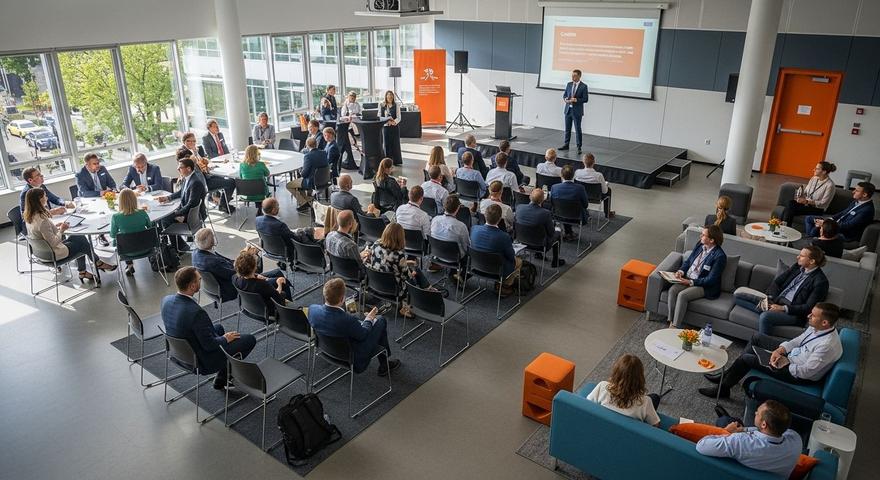
8 Event Layout Ideas to Transform Your Space
Event design goes far beyond pretty tablecloths and flower arrangements. Studies show that flexible event layouts can increase participant engagement by over 40 percent . But most event planners still overlook how spatial decisions directly shape outcomes and attendee satisfaction. The real difference between a forgettable gathering and a truly impactful event starts with how you design your space.
Table of Contents
- Choose A Purposeful Layout For Your Event
- Consider Flow And Accessibility In Design
- Incorporate Zones For Different Activities
- Utilise Flexible Seating Arrangements
- Enhance Networking With Informal Spaces
- Plan For Technology And AV Needs
- Use Decor To Define Areas And Themes
- Gather Feedback For Future Improvements
Quick Summary
| Takeaway | Explanation |
|---|---|
| Align layout with event goals | Design the space according to the specific objectives, such as networking or presentations, for optimal engagement. |
| Prioritise accessibility and flow | Ensure clear pathways and signage for a comfortable experience that accommodates all participant needs. |
| Incorporate flexible seating options | Use modular furniture to allow for quick rearrangement, catering to different activities and personal preferences. |
| Create distinct activity zones | Strategically zone areas for networking, presentations, and quiet reflection to enhance participant interaction and focus. |
| Collect actionable feedback | Gather both quantitative and qualitative insights post-event to refine future layouts and improve participant experiences. |
1: Choose a Purposeful Layout for Your Event
Selecting the right event layout is more than simply arranging furniture it is about creating an environment that strategically supports your event objectives . Every corporate gathering has a unique purpose whether it is networking, training, presentations, or collaborative workshops. The physical space you design plays a critical role in facilitating engagement and achieving desired outcomes.
Successful event layouts begin with understanding your core event goals. Different event purposes demand specific spatial configurations that enhance participant interaction and learning. A conference focused on knowledge sharing requires a markedly different setup compared to an innovation workshop or a product launch.
Key considerations when choosing your event layout include:
- Meeting Purpose: Align your room configuration with specific event objectives
- Participant Interaction: Design spaces that encourage desired communication levels
- Technology Requirements: Ensure adequate electrical access and audiovisual integration
- Comfort and Accessibility: Create layouts supporting participant movement and comfort
Meeting Purpose : Align your room configuration with specific event objectives
Participant Interaction : Design spaces that encourage desired communication levels
Technology Requirements : Ensure adequate electrical access and audiovisual integration
Comfort and Accessibility : Create layouts supporting participant movement and comfort
For instance, a formal board meeting might utilise a boardroom style with a central table and structured seating, while an interactive training session could benefit from round table arrangements that promote group discussions. Presentation heavy events typically work best with theatre style seating that provides clear sightlines to the speaker and presentation area.
Remember that flexibility is crucial . Modern event spaces should allow quick reconfiguration to accommodate changing session needs. Consider venues offering modular furniture and adaptable room designs that can transform seamlessly between different interaction formats.
Ultimately, your event layout should feel intentional not accidental. Every chair placement, table arrangement, and spatial configuration should serve a strategic purpose in supporting your event’s core mission.
2: Consider Flow and Accessibility in Design
Designing an event layout is not just about aesthetics but creating a seamless and inclusive environment that allows smooth participant movement and ensures every attendee can comfortably engage. Thoughtful spatial planning considers physical accessibility, psychological comfort, and intuitive navigation throughout the venue.
Accessibility goes beyond compliance it is about creating welcoming spaces that accommodate diverse participant needs. This means considering mobility requirements, sensory considerations, and providing clear pathways that reduce potential barriers to participation.
Critical accessibility elements include:
- Clear Pathways: Ensuring minimum 1.2 metre wide corridors for wheelchair access
- Strategic Signage: Using high contrast, large print directional markers
- Multiple Entry Points: Designing alternative routes to prevent congestion
- Flexible Seating: Offering varied chair heights and removable furniture options
Clear Pathways : Ensuring minimum 1.2 metre wide corridors for wheelchair access
Strategic Signage : Using high contrast, large print directional markers
Multiple Entry Points : Designing alternative routes to prevent congestion
Flexible Seating : Offering varied chair heights and removable furniture options
Traffic flow represents another crucial design consideration. An effective event layout anticipates participant movement patterns and creates natural circulation routes that prevent bottlenecks. This involves understanding typical attendee behaviours such as movement between breakout sessions, networking areas, catering zones, and presentation spaces.
Proper zoning helps manage crowd dynamics. By creating distinct yet interconnected areas, you can guide participant interactions while maintaining a sense of spatial organization. This might involve using subtle architectural elements like temporary partitions, carpet demarcations, or strategic furniture placement to define different functional zones.
Remember that good design is invisible . When your event layout works perfectly, participants will hardly notice the intricate planning behind their comfortable and intuitive experience. The goal is to create an environment that feels effortless and supports your event’s core objectives without drawing unnecessary attention to its structural elements.
3: Incorporate Zones for Different Activities
Creating multi-functional event spaces requires strategic zoning that supports varied interaction styles and program requirements. By designing distinct yet interconnected areas, you can accommodate different participant needs and activity types without compromising overall event flow or participant experience.
Zoning transforms a generic space into a dynamic environment that adapts to changing event demands. Each designated area should serve a specific purpose while maintaining visual and functional cohesion with the broader event landscape.
Key zones to consider in your event layout include:
- Networking Zones: Open spaces with high tables and casual seating
- Presentation Areas: Formal setup with clear sightlines and technical infrastructure
- Collaborative Spaces: Interactive areas with flexible furniture arrangements
- Quiet Reflection Zones: Secluded corners for individual work or contemplation
- Technology Hubs: Dedicated spaces for digital interactions and charging stations
Networking Zones : Open spaces with high tables and casual seating
Presentation Areas : Formal setup with clear sightlines and technical infrastructure
Collaborative Spaces : Interactive areas with flexible furniture arrangements
Quiet Reflection Zones : Secluded corners for individual work or contemplation
Technology Hubs : Dedicated spaces for digital interactions and charging stations
The most effective event layouts blur traditional boundaries between different activity types. For instance, a networking zone might seamlessly transition into a collaborative space, allowing organic interactions and spontaneous discussions. This approach prevents rigid segmentation and encourages more natural participant movement.
Consider the psychological impact of spatial design. Different zones should communicate their purpose through subtle environmental cues like lighting, furniture style, carpet textures, or acoustic treatments. A presentation zone might feature theatre style seating and focused lighting, while a networking area could have more ambient illumination and relaxed seating arrangements.
Flexibility remains paramount. Modern event spaces should allow quick reconfiguration, enabling rapid transformation between different activity formats. Modular furniture, movable partitions, and adaptable technological infrastructure support this dynamic approach to spatial design.
Ultimately, intelligent zoning is about creating an environment that feels intuitive and responsive to participant needs. When done correctly, your event layout becomes an active participant in facilitating engagement, learning, and meaningful connections.
4: Utilise Flexible Seating Arrangements
Flexible seating represents a transformative approach to event design, enabling dynamic and adaptable spatial configurations that respond to changing participant needs and interaction styles. Gone are the days of rigid, fixed chair arrangements that restrict movement and engagement.
Modern event spaces demand furniture solutions that can rapidly transition between different formats supporting various activities from formal presentations to collaborative workshops. This approach recognises that participants have diverse learning and interaction preferences that cannot be accommodated by a single seating style.
Consider these strategic seating arrangement principles:
- Modular Furniture: Use chairs and tables that can be easily reconfigured
- Multiple Seating Options: Provide varied chair styles for different comfort levels
- Lightweight Designs: Select furniture that participants can move independently
- Ergonomic Considerations: Ensure seating supports extended periods of engagement
Modular Furniture : Use chairs and tables that can be easily reconfigured
Multiple Seating Options : Provide varied chair styles for different comfort levels
Lightweight Designs : Select furniture that participants can move independently
Ergonomic Considerations : Ensure seating supports extended periods of engagement
The ability to quickly transform space becomes a strategic advantage . Imagine transitioning from a theatre style presentation setup to small group discussion clusters within minutes. This agility allows event organisers to maximise venue potential and maintain participant energy throughout complex programming.
Ergonomic diversity matters significantly. Some participants might prefer high stools for active learning, while others require supportive chairs with lumbar support. By offering a range of seating options, you demonstrate consideration for individual physical needs and learning preferences.
Technology integration further enhances flexible seating. Modern arrangements incorporate power outlets, wireless charging surfaces, and adaptable device support mechanisms. This ensures participants remain connected and productive regardless of their chosen seating configuration.
Ultimately, flexible seating is about empowerment . When participants can choose and adjust their environment, they feel more comfortable, engaged, and invested in the event experience. The physical space becomes a dynamic, responsive tool that actively supports learning, networking, and collaboration.
5: Enhance Networking with Informal Spaces
Networking represents the heartbeat of professional events, and creating purposeful informal spaces transforms traditional interactions from structured encounters to organic, meaningful connections. Modern event design recognizes that meaningful exchanges happen beyond formal presentations, requiring intentionally designed environments that facilitate spontaneous dialogue.
Informal networking spaces should feel inviting, comfortable, and strategically positioned to encourage natural interactions. These areas act as social catalysts, breaking down hierarchical barriers and allowing participants to connect more authentically.
Key elements for designing effective networking spaces include:
- Open Layout: Create unobstructed areas that promote easy movement
- Varied Seating: Offer multiple seating options like high tables, lounge areas, and casual chairs
- Technology Integration: Provide charging stations and digital collaboration points
- Refreshment Zones: Position catering areas to naturally encourage conversation
Open Layout : Create unobstructed areas that promote easy movement
Varied Seating : Offer multiple seating options like high tables, lounge areas, and casual chairs
Technology Integration : Provide charging stations and digital collaboration points
Refreshment Zones : Position catering areas to naturally encourage conversation
Psychological design plays a crucial role in networking space effectiveness. Lighting, acoustic treatments, and spatial arrangement can significantly influence participant comfort and willingness to engage. Soft ambient lighting, comfortable temperatures, and subtle background music can create an environment that feels relaxed yet professionally appropriate.
Consider incorporating conversation trigger elements such as interactive displays, industry relevant art installations, or digital networking walls that provide natural conversation starters. These features help participants overcome initial interaction hesitations and create shared experiences.
Technology can further enhance these spaces. QR code networking stations, digital business card exchanges, and integrated meeting scheduling platforms can transform informal interactions into structured professional opportunities.
Ultimately, successful networking spaces feel effortless . When participants can move freely, engage comfortably, and connect organically, your event design has achieved its most important objective: creating an environment where meaningful professional relationships can flourish.
6: Plan for Technology and AV Needs
Technology integration has become a critical component of modern event design, transforming how participants interact, learn, and collaborate. Strategic audiovisual planning ensures seamless technical execution and enhances overall participant experience across diverse event formats.
Successful technology integration requires comprehensive pre-event assessment and meticulous infrastructure planning. Understanding the specific technological requirements of each event segment allows for precise equipment selection and optimal spatial configuration.
Key technological considerations include:
- Reliable Connectivity: Ensure robust WiFi coverage and sufficient bandwidth
- Comprehensive Power Solutions: Provide adequate electrical outlets and charging stations
- Versatile Presentation Equipment: Select adaptable projection and sound systems
- Backup Communication Channels: Design redundant technical support mechanisms
Reliable Connectivity : Ensure robust WiFi coverage and sufficient bandwidth
Comprehensive Power Solutions : Provide adequate electrical outlets and charging stations
Versatile Presentation Equipment : Select adaptable projection and sound systems
Backup Communication Channels : Design redundant technical support mechanisms
Signal distribution and accessibility represent crucial technical planning elements. Multiple display screens, strategically positioned speakers, and carefully managed audio zones prevent information bottlenecks and ensure all participants can effectively engage with presentations and discussions.
Modern event spaces increasingly demand hybrid technological capabilities , supporting simultaneous in-person and remote participation. This requires sophisticated streaming infrastructure, high-quality cameras, professional microphone setups, and integrated digital platforms that create seamless communication experiences across physical and virtual environments.
Technical rehearsals become essential for identifying potential system limitations. Conducting comprehensive equipment tests, verifying compatibility between devices, and training presenters on technological interfaces minimise potential disruptions during the actual event.
Remember that technology should enhance, not dominate . The goal is creating an intuitive, user-friendly technical environment that feels natural and supports rather than complicates participant interactions. Elegant technological integration becomes invisible, allowing participants to focus on content and connections rather than wrestling with complex systems.
7: Use Decor to Define Areas and Themes
Decoration serves far more than aesthetic purposes in event design it becomes a powerful communication tool that subtly guides participant behaviour, defines spatial boundaries, and reinforces event themes. Thoughtful decor transforms generic spaces into immersive environments that engage participants on both visual and psychological levels.
Strategic decor allows organisers to create distinct zones without physical barriers, using visual cues to signal different functional areas. Colour palettes, textural elements, lighting treatments, and carefully selected furnishings can communicate purpose and mood more effectively than traditional room dividers.
Key decor considerations include:
- Colour Psychology: Select colours that align with event objectives
- Textural Variation: Use different materials to define spatial transitions
- Lighting Design: Create atmospheric changes between zones
- Branding Integration: Incorporate organisational visual identity seamlessly
Colour Psychology : Select colours that align with event objectives
Textural Variation : Use different materials to define spatial transitions
Lighting Design : Create atmospheric changes between zones
Branding Integration : Incorporate organisational visual identity seamlessly
Thematic consistency plays a crucial role in decor strategy. Whether hosting a corporate conference, innovation workshop, or networking event, decor elements should tell a cohesive narrative. This might involve using consistent colour schemes, incorporating brand imagery, or selecting furniture that reflects the event’s professional tone.
Lighting becomes an especially powerful decorative tool. Subtle shifts in illumination can dramatically alter perceived space characteristics transforming a single room into multiple functional environments. Warm ambient lighting might signal networking zones, while focused spotlighting can emphasize presentation areas.
Sustainability considerations are increasingly important in modern decor choices. Reusable, adaptable decorative elements not only reduce environmental impact but also provide cost-effective solutions for organisations hosting multiple events.
Ultimately, exceptional event decor feels effortless. When participants unconsciously understand spatial purposes through visual cues, your design has achieved its most sophisticated objective: creating an environment that guides behaviour intuitively and elegantly.
8: Gather Feedback for Future Improvements
Continuous improvement in event design requires systematic and strategic feedback collection that goes beyond superficial survey responses. The most effective event layouts emerge from a commitment to understanding participant experiences, challenges, and unmet needs through comprehensive and nuanced evaluation methods.
Feedback represents more than a simple post-event formality it is a critical strategic tool for refining spatial design, technological integration, and overall participant engagement. Sophisticated event organisers recognize that each interaction provides valuable insights for future iterations.
Effective feedback strategies include:
- Real-Time Digital Surveys: Implement instant mobile feedback mechanisms
- Structured Post-Event Interviews: Conduct detailed qualitative discussions
- Anonymised Feedback Channels: Create safe spaces for honest evaluation
- Longitudinal Tracking: Compare feedback across multiple events
Real-Time Digital Surveys : Implement instant mobile feedback mechanisms
Structured Post-Event Interviews : Conduct detailed qualitative discussions
Anonymised Feedback Channels : Create safe spaces for honest evaluation
Longitudinal Tracking : Compare feedback across multiple events
Quantitative and qualitative data collection should work in tandem. Numerical ratings provide statistical insights, while open-ended responses reveal deeper experiential nuances. This holistic approach allows organisers to understand not just what participants experienced, but how they felt during different event segments.
Technology enables more sophisticated feedback approaches. Interactive digital platforms can capture real-time participant movements, engagement levels, and spatial interaction patterns. Heat mapping technologies, for instance, can reveal how participants actually use event spaces compared to initial design intentions.
The most valuable feedback addresses specific layout considerations. Participants should be encouraged to comment on aspects like room flow, technological infrastructure, comfort levels, and spatial functionality. Granular insights drive meaningful design improvements , transforming future events through evidence-based modifications.
Remember that feedback is a continuous dialogue. Successful event design treats participant input as an ongoing conversation, not a one-time transaction. By creating a culture of responsive design, organisers can develop increasingly sophisticated and participant-centric event experiences.
To help you quickly absorb and implement the eight event layout ideas, the table below summarises each concept, its main focus, and the practical benefits for event planning and attendee experience.
| Event Layout Idea | Main Focus | Key Benefits |
|---|---|---|
| Purposeful Layout Selection | Aligning layout with event objectives and activities | Supports engagement, maximises goal achievement |
| Optimise Flow and Accessibility | Designing for seamless movement and inclusivity | Improves comfort, accessibility, and participant satisfaction |
| Activity Zoning | Creating distinct spaces for various event activities | Enhances interaction, focus, and functional flexibility |
| Flexible Seating Arrangements | Using adaptable, ergonomic, and modular furniture | Enables quick reconfiguration, accommodates diverse preferences |
| Informal Networking Spaces | Developing relaxed zones for spontaneous professional exchange | Fosters authentic connections, encourages informal engagement |
| Strategic Technology and AV Planning | Integrating reliable tech and hybrid capabilities | Ensures seamless presentations, supports hybrid/virtual options |
| Thematic and Functional Decor | Using decor for spatial definition and brand alignment | Visually reinforces zoning, communicates purpose, enhances mood |
| Feedback-Driven Improvement | Systematically collecting and applying detailed feedback | Drives continuous improvement, tailors future event experiences |
Transform Your Event Space with Expert Support
Creating the perfect event layout is not just about arranging tables and chairs. It is about designing a space that drives engagement, supports your event objectives, and ensures every guest feels part of the experience. Many organisers struggle to combine purposeful layouts, accessibility, flexible seating, and seamless technology all while keeping within budget and timescales. As highlighted in this article, achieving these results demands expertise, time, and access to the right venues and resources.
Do not let planning limitations hold your vision back. With Jigsaw Conferences , you can unlock a world of specialist event solutions. Our services match you to event spaces across the UK and globally, with particular emphasis on sustainable venues, adaptable layouts, and innovative technology support. We use our industry influence to secure the best rates and make your event stand out. Ready to turn the eight layout ideas into reality for your next conference or meeting? Start your venue search today with our free booking assistance and discover how effortless professional event planning can be when you have Jigsaw Conferences on your side.
Frequently Asked Questions
What is the importance of choosing the right event layout?
Choosing the right event layout is essential as it directly supports your event objectives, facilitating engagement and achieving desired outcomes based on the unique purpose of your gathering.
How can I create accessible event spaces for all attendees?
Creating accessible event spaces involves ensuring clear pathways, providing varied seating options, using strategic signage, and considering mobility and sensory needs to accommodate all participants comfortably.
What are effective zoning strategies for an event layout?
Effective zoning strategies involve creating distinct, interconnected areas such as networking zones, presentation areas, and collaborative spaces, enhancing participant interaction while maintaining an intuitive flow throughout the venue.
How can technology be integrated into my event layout?
Technology can be integrated through reliable connectivity, versatile presentation equipment, and seamless AV solutions that enhance participant engagement and support both in-person and hybrid formats.
Recommended
- Event Venues: Key Differences for Corporate Events | Jigsaw Conferences
- Event Accommodation Explained: Essential Solutions for Corporates | Jigsaw Conferences
- Event Accommodation Policies – Safeguarding Corporate Success | Jigsaw Conferences
- Venue Capacity Planning: Optimising Events Safely | Jigsaw Conferences
- What to Do if You Need Emergency Housing: A Step-by-Step Guide | Jigsaw Conferences
Jigsaw Conferences Editorial Team
Verified AuthorThe Jigsaw Conferences Editorial Team comprises venue finding experts with over 20 years of combined experience in the events and hospitality industry. Our team includes certified meeting professionals (CMP), venue sourcing specialists, and industry analysts who provide authoritative insights on venue selection, event planning, and corporate accommodation.