
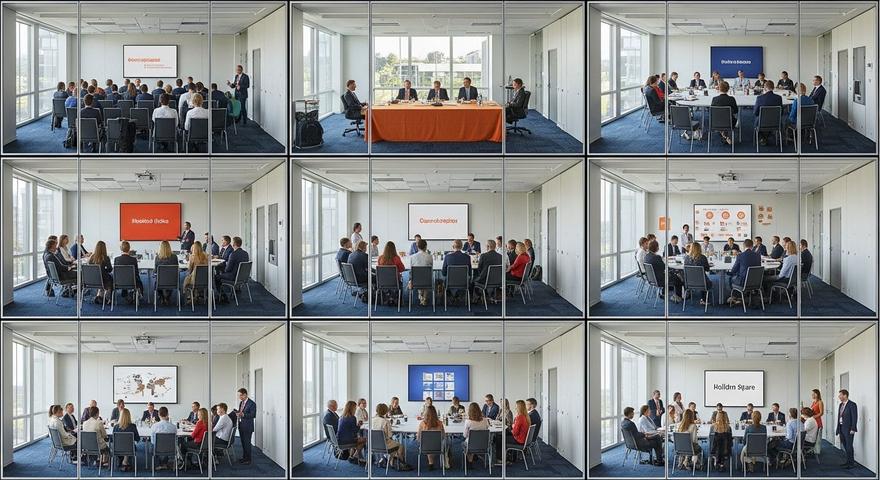
7 Essential Conference Room Setup Styles for Success
Conference room setups have a massive impact on how people communicate, learn, and connect at events. Most people expect rows of chairs or a big table in the middle, thinking every arrangement is much the same. Yet a single change in seating style can increase participant engagement by as much as 40 percent according to recent studies. That means shifting the layout is not just an aesthetic choice, it can completely transform your next meeting.
Table of Contents
- Theatre Style: Maximising Attendee Engagement
- Boardroom Style: Fostering Direct Communication
- U-Shaped Style: Encouraging Participation and Interaction
- Classroom Style: Facilitating Learning and Training
- Hollow Square Style: Promoting Group Discussions
- Banquet Style: Enhancing Networking Opportunities
- Café Style: Creating a Relaxed Atmosphere for Creativity
Quick Summary
| Takeaway | Explanation |
|---|---|
| Theatre style is efficient for large groups | This setup is ideal for events needing high capacity and clear sightlines, perfect for presentations. |
| Boardroom style encourages direct communication | This layout fosters open dialogue and reduces hierarchy, making it suitable for strategic discussions. |
| U-shaped style promotes participant interaction | The arrangement fosters direct eye contact, enhancing collaboration and engagement during sessions. |
| Classroom style supports structured learning | This configuration is designed for focused information delivery, making it suitable for training and seminars. |
| Banquet style enhances networking opportunities | Round tables facilitate casual conversations and relationship building, ideal for social events and gatherings. |
1: Theatre Style: Maximising Attendee Engagement
Theatre style conference room setup represents a classic and strategic approach to hosting large professional gatherings, offering maximum participant visibility and streamlined audience management. This configuration arranges chairs in consecutive rows facing a central stage or presentation area, creating a linear environment optimised for knowledge transfer and corporate communication.
In a typical theatre style setup, rows are organised in a manner that provides clear sightlines to the primary focal point, ensuring every attendee can comfortably observe speakers, presentations, or panel discussions. The arrangement prioritises audience capacity and visual comprehension over interactive networking, making it particularly suitable for specific corporate event types.
Key considerations for effective theatre style configurations include:
- Ensuring adequate spacing between rows for comfortable movement
- Maintaining proper sight lines for all participants
- Incorporating appropriate audio visual equipment placement
- Selecting chairs with sufficient lumbar support for extended sessions
Professional event planners recognise that while theatre style offers remarkable efficiency for large group presentations, it also presents challenges in participant engagement. To counteract potential passivity, strategic organisers often incorporate interactive elements such as periodic Q&A sessions, digital polling, or brief networking breaks that disrupt the traditional linear learning experience.
Optimal theatre style setups typically accommodate between 50 to 500 participants, depending on venue dimensions and specific event requirements. The versatility of this configuration makes it a preferred choice for annual general meetings , corporate training sessions , industry conferences , and keynote presentations .
Successful implementation requires meticulous attention to spatial dynamics, ensuring participants feel connected to the presenter despite the formal arrangement. Thoughtful placement of microphones, strategic lighting, and carefully positioned screens can transform a potentially sterile environment into an engaging professional space that facilitates knowledge sharing and corporate communication.
By understanding the nuanced strengths and potential limitations of theatre style setups, event organisers can create powerful, memorable experiences that maximise both information delivery and participant receptivity.
2: Boardroom Style: Fostering Direct Communication
Boardroom style conference room setups represent the pinnacle of professional communication environments, designed to create an intimate and purposeful atmosphere for high-level strategic discussions. This configuration typically features a rectangular or oval table where participants are seated facing one another, creating a direct and engaging communication landscape that facilitates immediate interaction and collaborative decision making .
The architectural psychology behind boardroom configurations emphasises creating a neutral, balanced space where hierarchical boundaries become less pronounced. Each participant receives equal visual prominence, which subtly promotes open dialogue and reduces potential power dynamics that might inhibit genuine communication.
Key strategic considerations for optimal boardroom setups include:
- Selecting a table size proportionate to participant numbers
- Ensuring comfortable seating with ergonomic considerations
- Maintaining appropriate technological infrastructure for presentations
- Providing sufficient space for document sharing and collaborative work
Professional organisers recognise that boardroom styles are particularly effective for executive meetings , strategic planning sessions , negotiation workshops , and senior leadership conferences . The layout inherently supports nuanced communication, allowing participants to observe facial expressions, body language, and subtle interpersonal dynamics that are crucial in high-stakes professional environments.
Successful boardroom configurations require meticulous spatial planning. Factors such as lighting, acoustic management, and technological integration play pivotal roles in creating an environment conducive to productive discussions. Optimal seating arrangements often position key decision makers strategically, without appearing overtly hierarchical.
Modern boardroom designs increasingly incorporate flexible technological solutions, including integrated video conferencing capabilities, wireless presentation systems, and adaptable furniture that can transform to support various meeting requirements. These technological enhancements enable seamless hybrid communication models, bridging physical and digital collaboration spaces.
By understanding the nuanced potential of boardroom style setups, organisations can create powerful communication environments that transcend traditional meeting paradigms, fostering genuine dialogue, strategic thinking, and collaborative problem solving.
3: U-Shaped Style: Encouraging Participation and Interaction
The U-shaped conference room setup represents a sophisticated approach to creating interactive and collaborative professional environments, strategically designed to maximise participant engagement and communication. This configuration arranges tables in an open rectangular formation resembling the letter U, with participants facing inward towards a central presentation area, creating a dynamic space that promotes dialogue and shared learning .
By positioning participants in a semi-circular arrangement, the U-shaped style breaks traditional linear communication barriers, encouraging direct eye contact and facilitating easier interaction between attendees. This layout is particularly effective for workshops, training sessions, strategic planning meetings, and collaborative brainstorming environments where participant contribution is paramount.
Key strategic considerations for implementing U-shaped configurations include:
- Ensuring sufficient space between tables for comfortable movement
- Positioning presentation equipment centrally for optimal visibility
- Maintaining appropriate room dimensions to support participant numbers
- Incorporating flexible technological infrastructure
The psychological architecture of U-shaped setups subtly dismantles hierarchical communication structures. No single participant feels marginalised, as everyone receives equal visual prominence and opportunities for contribution. This approach transforms traditional meetings from passive information reception to active collaborative experiences.
Professional event organisers recognise that U-shaped styles are particularly suited for interactive training programmes , strategic planning workshops , team development sessions , and executive roundtable discussions . The configuration supports multiple interaction modalities, from formal presentations to small group discussions and comprehensive team engagements.
Successful implementation requires careful spatial planning, considering factors such as room acoustics, lighting, technological integration, and participant comfort. Modern U-shaped setups increasingly incorporate adaptable furniture, wireless presentation systems, and integrated collaboration technologies that enhance the interactive potential of the space.
By understanding the nuanced capabilities of U-shaped conference room styles, organisations can create powerful learning and collaboration environments that transcend traditional meeting paradigms, fostering genuine dialogue, collective intelligence, and innovative thinking.
4: Classroom Style: Facilitating Learning and Training
Classroom style conference room configurations represent a structured approach to professional learning and development, offering a systematic environment designed to support comprehensive knowledge transfer and skill acquisition. This layout arranges tables and chairs in consecutive rows facing a central presentation area, creating a focused atmosphere that prioritises information delivery and participant comprehension .
The architectural philosophy behind classroom style setups emphasises creating an environment that supports concentrated learning, enabling participants to take notes, engage with presented materials, and maintain clear visual access to presenters and visual aids. This configuration is particularly effective for scenarios requiring sustained attention and structured information absorption.
Key strategic considerations for implementing classroom style configurations include:
- Maintaining appropriate spacing between rows for comfortable movement
- Ensuring clear sightlines to presentation areas
- Providing sufficient writing surfaces for note-taking
- Integrating technological infrastructure for multimedia presentations
Professional training organisers recognise classroom style arrangements as optimal for corporate training programmes , technical workshops , educational seminars , compliance briefings , and skill development sessions . The layout supports a traditional learning model where knowledge flows systematically from presenter to participant, creating an environment conducive to structured information exchange.
Modern classroom configurations increasingly incorporate flexible design principles, allowing for rapid room transformations to support various learning modalities. Ergonomic considerations, such as adjustable seating, integrated power outlets, and adaptable table configurations, enhance participant comfort and technological engagement.
Successful implementations require meticulous spatial planning, considering factors like room acoustics, lighting quality, technological integration, and participant comfort. Advanced classroom setups now include wireless presentation systems, interactive digital displays, and collaborative digital platforms that extend learning beyond physical space.
By understanding the nuanced potential of classroom style conference room setups, organisations can create powerful learning environments that support comprehensive knowledge transfer, skill development, and professional growth.
5: Hollow Square Style: Promoting Group Discussions
The Hollow Square conference room setup represents a sophisticated approach to facilitating collaborative discussions, offering a unique configuration that breaks traditional meeting paradigms by promoting equal participation and strategic communication . This layout arranges tables in a square formation with an open central space, creating an environment that encourages direct interaction and balanced dialogue among participants.
By positioning participants facing inward, the Hollow Square style eliminates hierarchical barriers and creates a democratic communication landscape where every attendee has equal visual and verbal access. This configuration is particularly effective for strategic planning sessions, collaborative problem-solving workshops, and executive roundtable discussions where collective input is paramount.
Key strategic considerations for implementing Hollow Square configurations include:
- Ensuring sufficient table width to accommodate laptops and documents
- Maintaining appropriate spacing between participants
- Positioning facilitators or key presenters strategically
- Integrating flexible technological infrastructure
Professional meeting organisers recognise that Hollow Square styles are ideally suited for group negotiations , team strategy sessions , executive briefings , and collaborative decision-making environments . The layout supports nuanced communication dynamics, allowing participants to observe non-verbal cues and engage in more meaningful, interactive discussions.
Successful implementation requires careful spatial planning, considering factors such as room acoustics, lighting, and participant comfort. Modern Hollow Square setups increasingly incorporate advanced technological solutions, including integrated video conferencing capabilities, wireless presentation systems, and digital collaboration tools that extend the interactive potential of the space.
The psychological architecture of Hollow Square arrangements subtly transforms traditional meeting experiences. By creating a sense of equality and openness, this configuration encourages participants to share perspectives more freely, challenge assumptions, and collectively develop innovative solutions.
By understanding the nuanced capabilities of Hollow Square conference room styles, organisations can create powerful collaborative environments that transcend conventional communication models, fostering genuine dialogue, collective intelligence, and strategic thinking.
6: Banquet Style: Enhancing Networking Opportunities
Banquet style conference room configurations represent a dynamic approach to professional gatherings, designed to foster interpersonal connections and collaborative interactions through strategic spatial arrangements. This layout utilises round tables typically seating six to ten participants, creating intimate group environments that naturally encourage conversation and relationship building.
The architectural psychology behind banquet style setups emphasises creating social ecosystems where participants can engage in meaningful dialogue beyond traditional presentation formats. By positioning attendees in circular configurations, the layout breaks down formal communication barriers and promotes spontaneous networking opportunities.
Key strategic considerations for implementing banquet style configurations include:
- Ensuring adequate spacing between tables for comfortable movement
- Selecting appropriate table sizes to support group interactions
- Integrating flexible catering and presentation infrastructure
- Maintaining clear pathways for service and technological access
Professional event organisers recognise banquet style arrangements as ideal for conference dinners , awards ceremonies , team building workshops , industry networking events , and multi-course professional gatherings . The configuration supports both structured presentations and organic social interactions, making it versatile for diverse corporate events.
Successful implementations require meticulous spatial planning, considering factors such as room acoustics, lighting, technological integration, and participant comfort. Modern banquet style setups increasingly incorporate advanced audiovisual technologies, allowing seamless transitions between formal presentations and interactive networking sessions.
The social architecture of banquet style layouts subtly transforms professional gatherings from linear information exchanges to dynamic conversation platforms. Participants are positioned to engage with multiple colleagues, facilitating cross-departmental communication and potential collaborative opportunities.
By understanding the nuanced potential of banquet style conference room configurations, organisations can create powerful networking environments that transcend traditional event paradigms, fostering genuine connections, knowledge sharing, and professional relationship development.
7: Café Style: Creating a Relaxed Atmosphere for Creativity
Café style conference room configurations represent an innovative approach to professional collaboration, designed to transform traditional meeting environments into dynamic, inspirational spaces that encourage creativity and informal interaction. This layout mimics the relaxed ambience of contemporary coffee shops, incorporating comfortable seating, flexible furniture arrangements, and a more organic communication landscape.
The psychological architecture of café style setups challenges conventional meeting paradigms by breaking down hierarchical barriers and creating environments that stimulate creative thinking. By introducing elements typically associated with casual social spaces, organisations can foster more spontaneous and innovative dialogue among participants.
Key strategic considerations for implementing café style configurations include:
- Selecting versatile, movable furniture
- Incorporating multiple seating options and zones
- Ensuring robust wireless technological infrastructure
- Providing accessible power outlets and charging stations
Professional innovation teams recognise café style arrangements as ideal for brainstorming sessions , design thinking workshops , creative strategy meetings , startup pitch environments , and collaborative problem-solving scenarios . The configuration supports fluid communication and encourages participants to engage more naturally and authentically.
Successful implementations require thoughtful design considerations, integrating elements that stimulate creativity such as natural lighting, organic materials, plants, and flexible workspace configurations. Modern café style setups increasingly incorporate biophilic design principles, using natural textures, colours, and forms to create restorative and inspiring environments.
The spatial psychology of café style layouts subtly transforms professional interactions from structured, formal exchanges to more dynamic, conversational experiences. Participants feel more relaxed, leading to increased cognitive flexibility and enhanced creative potential.
By understanding the nuanced capabilities of café style conference room configurations, organisations can create powerful innovation spaces that transcend traditional meeting models, fostering genuine creativity, collaborative thinking, and breakthrough problem-solving approaches.
Below is a comprehensive table summarising the key conference room setup styles, their primary benefits, and ideal uses as discussed in the article:
| Setup Style | Key Benefits | Ideal Uses |
|---|---|---|
| Theatre Style | Maximises capacity, clear sightlines, efficient for knowledge transfer | Large presentations, annual meetings, conferences |
| Boardroom Style | Fosters direct communication, reduces hierarchy | Executive meetings, strategic planning, negotiations |
| U-Shaped Style | Encourages interaction, promotes participation | Workshops, training, collaborative sessions |
| Classroom Style | Supports structured learning, note-taking | Training, seminars, technical workshops |
| Hollow Square Style | Promotes equal participation, group discussion | Team strategy, group negotiations, executive briefings |
| Banquet Style | Enhances networking, encourages conversation | Networking events, team building, conference dinners |
| Café Style | Inspires creativity, relaxed atmosphere | Brainstorming, creative workshops, informal meetings |
Ready to Transform Your Next Conference Room Experience?
After learning about the “7 Essential Conference Room Setup Styles for Success”, you understand how much the right room layout can shape engagement, participation and learning outcomes. Yet, the process of sourcing venues and accommodating these unique styles is often time-consuming and stressful for busy professionals. Choosing between theatre, boardroom, U-shaped or banquet style is just the start. Finding a space that truly matches your needs and elevates your event should not hold you back from striving for success.
Let Jigsaw Conferences take the guesswork out of venue searching and event coordination. Our service specialises in matching your event goals with the perfect setup, whether you seek maximum attendee interaction, seamless networking, or an environment that drives innovation. Save time by using our free venue search and booking assistance , designed for corporate organisers who want excellent outcomes without the hassle. Discover how our industry expertise and strong venue relationships deliver cost savings and reliable results for events of any size or type. Start your search or make an enquiry now at Jigsaw Conferences , where every meeting style finds its seamless solution. Plan your next successful event today—your ideal space is waiting.
Frequently Asked Questions
What is a theatre style conference room setup?
Theatre style conference room setup arranges chairs in rows facing a central stage or presentation area, optimizing visibility and information transfer, making it ideal for large audiences.
How does a boardroom style setup promote communication?
Boardroom style setups feature a rectangular or oval table where participants face each other, encouraging open dialogue and collaboration by minimising hierarchical barriers.
In which scenarios is a U-shaped conference room setup most effective?
The U-shaped setup is best for interactive sessions like workshops and strategic planning meetings, as it allows for direct eye contact and easier participation among attendees.
What are the advantages of using a banquet style configuration for events?
Banquet style arrangements use round tables to foster interpersonal connections, making them suitable for networking events and social gatherings, where conversation and interaction are encouraged.
Recommended
- Event Venues: Key Differences for Corporate Events | Jigsaw Conferences
- Event Accommodation Explained: Essential Solutions for Corporates | Jigsaw Conferences
- Event Accommodation Policies – Safeguarding Corporate Success | Jigsaw Conferences
- Venue Capacity Planning: Optimising Events Safely | Jigsaw Conferences
- What to Do if You Need Emergency Housing: A Step-by-Step Guide | Jigsaw Conferences
Jigsaw Conferences Editorial Team
Verified AuthorThe Jigsaw Conferences Editorial Team comprises venue finding experts with over 20 years of combined experience in the events and hospitality industry. Our team includes certified meeting professionals (CMP), venue sourcing specialists, and industry analysts who provide authoritative insights on venue selection, event planning, and corporate accommodation.