
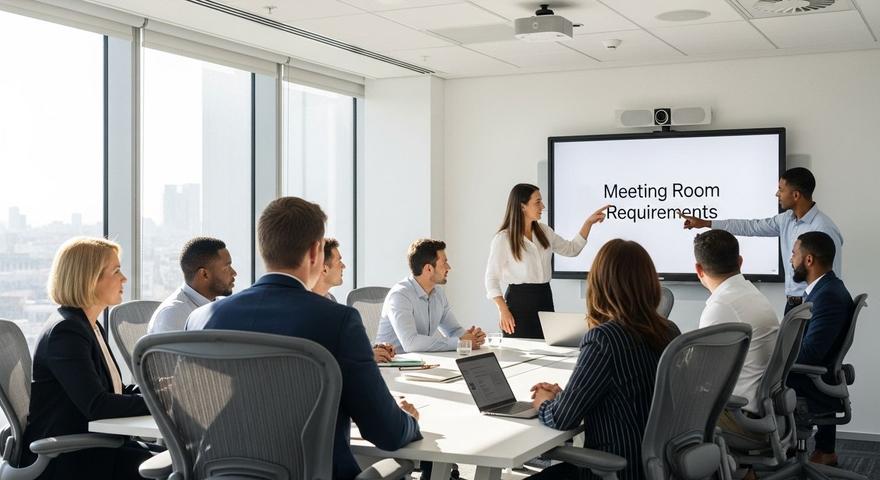
Essential Meeting Room Requirements for Modern Businesses
Every modern business relies on its meeting rooms to get things done. The right space can spark collaboration, creative thinking and real progress. Yet most people are shocked to learn that over 70 percent of executives blame technology failures for wasted meeting time . You might think filling a room with high-end gadgets is enough. But the real secret is a careful balance of design, comfort, clear acoustics and above all, spaces thoughtfully tailored to every type of conversation.
Table of Contents
- Key Features Every Meeting Room Needs Advanced Technology IntegrationFlexible and Adaptable Space DesignAcoustic and Environmental Considerations
- Technical and AV Requirements Explained Video Conferencing SystemsAudio Technology and Sound ManagementDisplay and Connectivity Solutions
- Accessibility and Comfort Considerations Ergonomic Design and Physical AccessibilitySensory and Technological AccommodationsEnvironmental Comfort and Wellbeing
- Safety, Security and Compliance Standards Physical Safety InfrastructureDigital Security and Information ProtectionRegulatory Compliance and Operational Standards
- Advanced Technology Integration
- Flexible and Adaptable Space Design
- Acoustic and Environmental Considerations
- Ergonomic Design and Physical Accessibility
- Sensory and Technological Accommodations
- Environmental Comfort and Wellbeing
- Physical Safety Infrastructure
- Digital Security and Information Protection
- Regulatory Compliance and Operational Standards
Quick Summary
| Takeaway | Explanation |
|---|---|
| Invest in advanced technology | Equip meeting rooms with high-quality AV systems for effective communication. |
| Prioritise flexible room design | Use modular furniture and adaptable layouts for various meeting types. |
| Focus on acoustic improvements | Implement sound-absorbing materials for enhanced communication clarity. |
| Ensure accessibility for all | Design spaces with ergonomic and mobility-friendly elements to accommodate all participants. |
| Adhere to safety and compliance standards | Establish clear safety measures and digital security protocols to protect participants and information. |
Key Features Every Meeting Room Needs
Modern businesses require meeting rooms that go far beyond basic four walls and a table. The most effective meeting room requirements encompass technological capability, flexible design, and strategic spatial planning that supports diverse work styles and communication needs.
Advanced Technology Integration
Technology forms the backbone of contemporary meeting room requirements. High-quality audio-visual systems are no longer optional but essential for seamless communication. Professional organisations need rooms equipped with crystal-clear video conferencing capabilities that support hybrid work environments. This means installing high-definition cameras with wide-angle views, professional-grade microphone systems that capture sound uniformly across the room, and large interactive displays that enable smooth content sharing.
A well-designed meeting room should support multiple connection types, including wireless screen mirroring, HDMI ports, and universal compatibility with various devices. Power outlets strategically positioned around the room ensure participants can keep laptops, tablets, and smartphones charged during extended meetings. Integrated control systems that allow easy management of room technology reduce setup time and minimise technical disruptions.
Flexible and Adaptable Space Design
Meeting room requirements now prioritise adaptability. Gone are the days of rigid, unchangeable room configurations. Modern organisations need spaces that can transform quickly to accommodate different meeting types and group sizes. This means investing in modular furniture that can be easily reconfigured - think movable tables with wheels, stackable chairs, and flexible partition systems.
The layout should support various meeting formats, from intimate one-on-one discussions to large team presentations. Furniture should be lightweight yet sturdy, allowing quick room transformations without significant physical effort. Ergonomic considerations are crucial, with chairs and tables designed to support comfort during prolonged meetings.
Acoustic and Environmental Considerations
Meeting room requirements extend beyond visual and technological elements. Acoustic design plays a critical role in creating productive environments. Sound-absorbing materials like specialised wall panels, carpeting, and strategically placed soft furnishings help reduce echo and external noise, ensuring clear communication.
Lighting is another crucial factor. Rooms should have adjustable lighting systems that can be tuned for different activities - bright and energetic for brainstorming sessions, softer and more subdued for sensitive discussions. Natural light integration, when possible, can significantly improve participant mood and engagement.
Ventilation and temperature control are equally important. Meeting rooms should maintain a consistent, comfortable temperature with efficient air circulation systems that do not create distracting background noise.
By focusing on these key features, businesses can create meeting spaces that are not just functional, but truly supportive of modern collaborative work practices. The goal is to design rooms that enhance communication, boost productivity, and reflect an organisation’s commitment to supporting its workforce.
Technical and AV Requirements Explained
Technical and audiovisual (AV) requirements represent the critical infrastructure that transforms an ordinary meeting room into a powerful communication hub. Understanding these technical specifications is crucial for businesses seeking to create dynamic, efficient, and professional meeting environments.
Video Conferencing Systems
Modern video conferencing systems are the cornerstone of contemporary meeting room technology. High-definition cameras with wide-angle capabilities ensure every participant is clearly visible, regardless of their position in the room. Professional organisations require cameras with at least 1080p resolution, with many now opting for 4K systems that provide crystal-clear image quality.
Intelligent camera tracking systems have become increasingly sophisticated, automatically focusing on active speakers and providing a more natural meeting experience. These systems use advanced AI to detect and follow speaker movement, eliminating the need for manual camera adjustments. Integrated zoom capabilities and multiple preset positions allow for seamless visual communication that mimics in-person interactions.
Audio Technology and Sound Management
Audio quality is paramount in meeting room design. Professional microphone systems have evolved far beyond traditional tabletop options. Ceiling-mounted microphone arrays now provide 360-degree sound capture, ensuring every participant can be heard clearly. These advanced systems use beamforming technology to isolate individual voices and eliminate background noise.
Sound management goes beyond microphone technology. Professional meeting rooms incorporate acoustic treatments that include sound-absorbing panels, strategic room layout, and specialised materials that reduce echo and external noise interference. High-quality speaker systems with balanced audio distribution ensure that remote participants are heard with exceptional clarity. Digital signal processing technology helps maintain consistent audio levels and eliminate feedback.
Display and Connectivity Solutions
Display technology has transformed meeting room communication. Large interactive touchscreen displays have replaced traditional projection systems, offering multiple connection options and real-time collaboration features. These displays support wireless screen sharing, allowing participants to connect multiple devices simultaneously.
Connectivity is a critical consideration for modern meeting rooms. Multiple input options are essential, including HDMI, USB-C, wireless mirroring, and seamless integration with popular video conferencing platforms. Professional rooms should support instant screen sharing, allowing participants to display content from laptops, tablets, and smartphones with minimal setup time.
Power management is equally important. Integrated power solutions with multiple charging points ensure that all devices remain operational throughout lengthy meetings. Cable management systems keep spaces clean and professional, reducing visual clutter and potential technical disruptions.
Businesses must approach technical and AV requirements strategically. The goal is not simply to implement technology, but to create an integrated communication ecosystem that supports seamless collaboration. By investing in high-quality, user-friendly AV systems, organisations can transform their meeting spaces into powerful communication platforms that bridge physical and digital work environments.
To help clarify the technical and AV features required for modern meeting rooms, the table below summarises the key components and their specific requirements as described in the article.
| Component | Key Requirements | Purpose |
|---|---|---|
| Video Conferencing Systems | HD/4K wide-angle cameras, AI speaker tracking, integrated zoom and presets | Ensure clear, natural remote participation |
| Audio Technology & Sound Mgmt | Ceiling microphone arrays, beamforming, acoustic panels, quality speakers, DSP | Capture clear sound, reduce noise/echo |
| Display & Connectivity Solutions | Large interactive touchscreens, HDMI/USB-C, wireless sharing, cable management, universal compatibility | Streamline content sharing, reduce clutter |
| Power Management | Ample outlets, device charging, integrated power solutions | Keep devices powered during meetings |
| Control Systems | Integrated, user-friendly room technology management | Simplify setup and reduce disruptions |
Accessibility and Comfort Considerations
Accessibility and comfort are fundamental meeting room requirements that directly impact participant engagement, productivity, and organisational inclusivity. Modern businesses recognise that thoughtful design goes beyond aesthetics, creating environments that accommodate diverse workforce needs and support individual working styles.
Ergonomic Design and Physical Accessibility
Ergonomic considerations form the foundation of comfortable meeting spaces. Furniture selection must prioritise adjustable seating with proper lumbar support, allowing participants of different heights and physical requirements to maintain comfortable postures during extended meetings. Chairs with adjustable height, armrests, and seat depth ensure individual comfort and reduce physical strain.
Physical accessibility extends beyond furniture. Meeting rooms must accommodate individuals with mobility challenges, featuring wide doorways, clear floor spaces, and smooth transitions between different areas. Wheelchair-accessible tables with appropriate height and leg clearance are essential. Strategic furniture placement that allows easy navigation and sufficient turning radius demonstrates a commitment to inclusive design.
Sensory and Technological Accommodations
Accessibility encompasses sensory considerations for participants with diverse needs. Lighting design plays a crucial role in creating comfortable environments. Adjustable lighting systems with options for dimming and colour temperature variations support individuals with visual sensitivities or neurodivergent requirements. Natural light integration, when possible, can improve mood and reduce eye strain.
Technological accommodations are equally important. Meeting rooms should feature assistive technologies such as captioning systems for video conferences, high-contrast display options, and compatibility with screen readers. Microphone systems with clear sound distribution support participants with hearing impairments. Multiple display options with adjustable sizes and positioning ensure visual content remains accessible to all participants.
Environmental Comfort and Wellbeing
Environmental factors significantly impact meeting room comfort and participant productivity. Temperature control systems should provide consistent, adjustable climate settings that accommodate individual preferences. Effective ventilation ensures air quality remains high, reducing fatigue and maintaining participant alertness.
Acoustic design contributes substantially to environmental comfort. Sound-absorbing materials and strategic room layout minimise external noise disruptions. Background noise reduction technologies help create calm, focused environments that support effective communication. Consideration of sound levels is particularly important for participants with sensory processing sensitivities.
Breakout spaces and flexible room configurations offer additional comfort options. Not all meetings require formal, seated arrangements. Creating areas with alternative seating, such as standing desks, soft seating, or informal collaboration zones, allows participants to choose environments that best support their working style and physical comfort.
By prioritising accessibility and comfort, organisations demonstrate a profound understanding of workforce diversity. Meeting rooms are no longer simply functional spaces but strategic environments that reflect an organisation’s commitment to inclusivity, employee wellbeing, and progressive workplace design. Thoughtful, adaptable spaces communicate respect for individual needs and create conditions that enable every participant to contribute meaningfully.
The following table summarises the main types of meeting room accessibility and comfort considerations, outlining relevant features and their benefits as highlighted in the article.
| Area | Features & Considerations | Benefits |
|---|---|---|
| Ergonomic Design | Adjustable chairs and tables, lumbar support, armrests, appropriate heights | Reduces strain, supports comfort |
| Physical Accessibility | Wide doorways, clear paths, wheelchair-accessible tables, strategic furniture placement | Ensures access for all participants |
| Sensory/Technological Accommod. | Adjustable lighting, assistive tech (captioning, screen readers), visual/audio accommodations | Supports participants with varied needs |
| Environmental Comfort | Climate control, ventilation, sound dampening, breakout/flexible zones | Enhances wellbeing and productivity |
Safety, Security and Compliance Standards
Meeting room safety, security, and compliance standards represent critical considerations for modern organisations. These comprehensive requirements protect participants, safeguard sensitive information, and ensure legal and operational integrity across diverse professional environments.
Physical Safety Infrastructure
Physical safety begins with thoughtful room design and strategic infrastructure planning. Emergency exit routes must remain clear and unobstructed, with clearly marked pathways that comply with building safety regulations. Fire-resistant materials, strategically placed fire extinguishers, and smoke detection systems form fundamental safety protocols.
Additional physical safety measures include robust door locking mechanisms, controlled access systems, and visitor management protocols. Meeting rooms should incorporate technologies that enable secure entry, such as keycard access or biometric scanning. These systems not only prevent unauthorized entry but also maintain a comprehensive log of room usage and visitor movements.
Emergency communication systems are equally crucial. Rooms should feature easily accessible emergency communication devices, including internal communication panels, clear signage with emergency contact information, and potential integration with building-wide alert systems. Considerations for medical emergencies, such as first aid kits and clear pathways for potential medical assistance, demonstrate proactive safety planning.
Digital Security and Information Protection
Digital security has become paramount in meeting room design. With increasing reliance on technology, protecting sensitive corporate information requires comprehensive digital safeguarding strategies. Secure wireless networks with robust encryption protocols prevent unauthorized access and potential data breaches.
Meeting rooms must incorporate advanced cybersecurity features such as secure video conferencing platforms with end-to-end encryption, controlled screen sharing capabilities, and options for participant verification. Network isolation technologies can create separate, secure communication channels during sensitive discussions. Robust password management and multi-factor authentication provide additional layers of digital protection.
Data privacy considerations extend to physical technological infrastructure. Secure cable management systems, strategically positioned screens that prevent visual information leakage, and policies governing device usage contribute to comprehensive information protection strategies.
Regulatory Compliance and Operational Standards
Regulatory compliance represents a complex but critical aspect of meeting room requirements. Different industries face unique compliance mandates, from healthcare privacy regulations to financial sector confidentiality standards. Meeting rooms must be designed with flexibility to accommodate these diverse regulatory landscapes.
Accessibility regulations form a crucial component of compliance standards. Rooms must meet specific guidelines ensuring equal access for individuals with diverse physical abilities. This includes appropriate room dimensions, assistive technologies, and design features that support inclusive participation.
Occupational health and safety standards also play a significant role. Ventilation systems, temperature controls, and ergonomic considerations must align with workplace safety regulations. Regular equipment maintenance, clear safety protocols, and comprehensive risk assessment procedures demonstrate organisational commitment to participant wellbeing.
By implementing robust safety, security, and compliance standards, organisations create meeting environments that protect participants, safeguard information, and demonstrate professional responsibility. These comprehensive approaches transform meeting rooms from simple spaces into secure, compliant, and strategically designed communication hubs that support organisational objectives while prioritising human safety and technological integrity.
Frequently Asked Questions
What are the essential features of a modern meeting room?
Modern meeting rooms should include advanced technology integration (like high-quality AV systems), flexible and adaptable space design, acoustic improvements, and considerations for accessibility and comfort to enhance collaboration and productivity.
How can I improve the audio quality in a meeting room?
To improve audio quality, invest in ceiling-mounted microphone arrays, sound-absorbing materials, and quality speakers. Using beamforming technology helps isolate individual voices and reduce background noise, ensuring clear communication.
What types of technology are necessary for effective video conferencing?
Essential video conferencing technology includes high-definition cameras, intelligent tracking systems, and integrated control systems for managing room technology, along with compatibility for multiple devices and secure network connections.
Why is ergonomic design important in meeting rooms?
Ergonomic design is crucial as it reduces physical strain on participants and accommodates diverse physical needs. Features like adjustable seating and wheelchair-accessible tables enhance comfort and inclusivity during meetings.
Unlock Effortless Meeting Room Solutions Backed by Expertise
Struggling to meet the ever-growing demands for technologically advanced and comfortable meeting spaces can hinder your productivity and damage first impressions. The article highlighted how vital seamless AV integration, flexible layouts, clear acoustics, and accessibility are for effective meetings. Yet, most companies lack the time or resources to source spaces that are truly fit for purpose.
At Jigsaw Conferences , we remove that burden. Our team brings you instant access to a vetted network of modern venues equipped with everything discussed in the article. Whether you need adaptable layouts, the latest audio-visual tools, or inclusive environments for all your attendees, our free venue finding service ensures you benefit from expert negotiation, cost savings, and flawless execution. Do not let your next event be defined by tech failures or uncomfortable settings. Start your venue search now and experience the Jigsaw difference for your next meeting or conference. Let us transform your requirements into real results today.
Recommended
- Event Venues: Key Differences for Corporate Events | Jigsaw Conferences
- Event Accommodation Explained: Essential Solutions for Corporates | Jigsaw Conferences
- Event Accommodation Policies – Safeguarding Corporate Success | Jigsaw Conferences
- Venue Capacity Planning: Optimising Events Safely | Jigsaw Conferences
- What to Do if You Need Emergency Housing: A Step-by-Step Guide | Jigsaw Conferences
Jigsaw Conferences Editorial Team
Verified AuthorThe Jigsaw Conferences Editorial Team comprises venue finding experts with over 20 years of combined experience in the events and hospitality industry. Our team includes certified meeting professionals (CMP), venue sourcing specialists, and industry analysts who provide authoritative insights on venue selection, event planning, and corporate accommodation.