
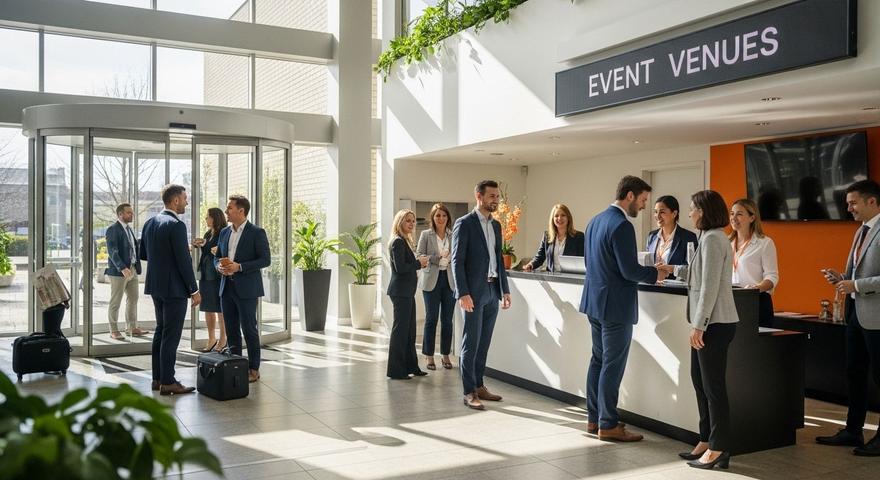
17 Types of Event Venues for Corporate Success 2025
Picking a corporate event venue might sound simple. Yet by 2025, nearly 50 percent of events are projected to prioritise sustainability in their venue choices . Most planning guides focus on capacity, location, or just how modern the place looks. Oddly enough, it is often the venue’s invisible tech and eco-friendly credentials that make the biggest impact on guests and the event’s success.
Table of Contents
- Essential Types of Event Venues Explained Architectural Diversity In Corporate Event SpacesTechnological And Functional Venue Requirements
- How To Match Venues To Corporate Events Strategic Venue Matching ConsiderationsTechnology And Sustainability In Venue Selection
- Key Factors When Selecting A Venue Location And Accessibility ConsiderationsTechnological And Service Capabilities
- Trends In Event Venues For 2025 Technological Integration And Smart VenuesSustainability And Wellness-Focused Venues
Quick Summary
| Takeaway | Explanation |
|---|---|
| Choose venues that align with event goals | Selecting a venue that matches the specific purpose enhances attendee engagement and overall event success. |
| Prioritise technological capabilities in venue selection | Opt for venues with high-speed internet and advanced audiovisual equipment to support diverse presentation formats. |
| Consider sustainability in venue choices | Venues that focus on eco-friendly practices will attract businesses prioritising environmental responsibility in their events. |
| Evaluate accessibility and location strategically | Proximity to transportation and amenities significantly impacts attendee participation and the overall event experience. |
| Embrace architectural diversity for unique experiences | Choosing venues with varied layouts can provide distinctive atmospheres that elevate corporate gatherings beyond standard meetings. |
Essential Types of Event Venues Explained
Choosing the right event venue is a critical decision that can make or break a corporate gathering. The landscape of event venues has evolved dramatically, offering businesses unprecedented flexibility and options for creating memorable experiences. Research from industry experts reveals that understanding the nuanced characteristics of different venue types is fundamental to successful event planning.
Architectural Diversity in Corporate Event Spaces
Corporate event venues are not one-size-fits-all solutions. Each space offers unique attributes that can significantly impact the event’s atmosphere, functionality, and overall success. Venue selection research highlights several critical considerations when evaluating potential event locations.
Strategic Venue Selection Factors :
- Capacity and Layout : Determine the maximum number of attendees and required spatial configurations.
- Technical Capabilities : Assess audiovisual equipment, internet connectivity, and technological infrastructure.
- Accessibility : Consider location, parking, transportation options, and accommodation proximity.
Modern corporate events demand versatile spaces that can transform from formal presentations to interactive networking environments. Purpose-built conference centers, hotels with dedicated event facilities, and innovative spaces like museums or cultural attractions are increasingly popular choices.
Technological and Functional Venue Requirements
Technology has revolutionized event venue expectations. Contemporary corporate clients seek spaces that seamlessly integrate digital capabilities with physical comfort. Advanced venues now offer:
- Integrated Multimedia Systems : High-speed wireless networks, professional sound systems, and sophisticated projection capabilities.
- Flexible Configuration Options : Modular spaces that can be quickly reconfigured for different session types.
- Sustainable Design : Environmentally conscious venues with energy-efficient infrastructure and green certifications.
The evolution of event venues reflects broader changes in corporate communication and collaboration strategies. Venues are no longer just physical locations but strategic platforms for knowledge exchange, team building, and organizational innovation.
Successful event planners understand that venue selection transcends mere aesthetics. It involves a comprehensive assessment of technological capabilities, spatial dynamics, and alignment with specific corporate objectives. By carefully evaluating these multifaceted considerations, organizations can transform ordinary spaces into extraordinary experiences that inspire, educate, and connect professionals.
As businesses continue to prioritize meaningful engagement and impactful communication, the demand for sophisticated, adaptable event venues will only intensify. The future of corporate events lies in spaces that are not just locations, but dynamic environments that facilitate connection, learning, and strategic dialogue.
To help compare the key functional requirements across modern event venues, the following table summarises essential must-have features and their descriptions:
| Feature | Description |
|---|---|
| Integrated Multimedia Systems | High-speed wireless, sound systems, and advanced projection capabilities |
| Flexible Configuration | Modular spaces for various session types and quick reconfiguration |
| Sustainable Design | Energy-efficient infrastructure and green certifications |
| Accessibility | Convenient location, parking, and proximity to transport/accommodations |
| Technical Support | Availability of on-site support and troubleshooting |
How to Match Venues to Corporate Events
Matching the perfect venue to a corporate event requires a strategic approach that goes beyond simple aesthetics. Research on business event venues demonstrates that successful event planning hinges on carefully aligning venue characteristics with specific corporate objectives and event requirements.
Strategic Venue Matching Considerations
Corporate event planners must navigate a complex landscape of venue selection. The process involves a comprehensive evaluation of multiple critical factors that extend far beyond basic location and size. Sports facility research reveals that innovative venue choices can significantly enhance event outcomes.
Key Matching Criteria :
- Event Purpose : Align venue characteristics with specific event goals (conference, team building, product launch).
- Attendee Demographics : Consider participant needs, accessibility, and comfort requirements.
- Technical Infrastructure : Ensure venue capabilities match technological presentation needs.
Multipurpose venues have emerged as particularly attractive options for corporate events. Museums, universities, and cultural centers offer unique environments that can transform standard corporate gatherings into memorable experiences. These spaces provide more than just a meeting room they offer context, inspiration, and distinctive atmospheres that can elevate corporate communication.
Technology and Sustainability in Venue Selection
Sustainable event planning research highlights the growing importance of technological integration and environmental considerations in venue matching. Modern corporate events demand spaces that are not just functional but also aligned with broader organizational values.
Advanced Venue Matching Strategies :
- Technological Readiness : Evaluate venues with cutting-edge audiovisual systems, high-speed internet, and flexible digital infrastructure.
- Sustainability Credentials : Prioritize venues with green certifications, energy-efficient designs, and environmentally responsible practices.
- Accessibility Features : Consider venues with comprehensive accessibility options for diverse participant needs.
The art of matching venues to corporate events requires a holistic approach. Event planners must consider the intricate interplay between physical space, technological capabilities, organizational objectives, and participant expectations. This nuanced selection process transforms venues from mere locations into strategic platforms for communication, collaboration, and corporate storytelling.
Successful venue matching is about creating an environment that naturally supports and enhances the event’s core objectives. Whether it’s a high-stakes conference, an innovative team-building session, or a critical product launch, the right venue can amplify message delivery, participant engagement, and overall event impact.
As corporate communication continues to evolve, the ability to match venues precisely to event requirements becomes increasingly sophisticated. The most effective event planners view venue selection as a strategic decision that extends far beyond logistics a powerful tool for creating meaningful, memorable corporate experiences.
Key Factors When Selecting a Venue
Selecting the ideal venue represents a critical decision that can profoundly impact the success of corporate events. Research on event logistics demonstrates that comprehensive venue evaluation goes far beyond simple aesthetics or basic functionality.
Location and Accessibility Considerations
The geographical positioning of an event venue plays a pivotal role in determining attendee participation and overall event experience. Venue selection experts emphasize multiple critical location factors that extend beyond mere proximity.
Strategic Location Assessment :
- Transportation Connectivity : Evaluate proximity to public transit, major highways, and airport accessibility.
- Local Infrastructure : Consider nearby accommodation options, parking facilities, and surrounding amenities.
- Regional Business Ecosystem : Assess the venue’s positioning within relevant corporate or industry districts.
Location selection requires a nuanced approach that balances practical considerations with strategic objectives. Corporate event planners must consider not just physical distance but the broader contextual environment that can enhance or potentially compromise event effectiveness.
Technological and Service Capabilities
Technology integration research reveals that modern corporate events demand sophisticated technological infrastructure. The right venue must seamlessly support diverse technological requirements, from basic presentation needs to complex multimedia experiences.
Technological Venue Evaluation Criteria :
- Digital Infrastructure : High-speed internet, robust wireless networks, and comprehensive audiovisual systems.
- Support Services : Availability of technical support staff, equipment rental options, and on-site troubleshooting capabilities.
- Flexibility : Adaptable spaces that can accommodate various technological setups and presentation formats.
Beyond technological capabilities, venues must offer comprehensive service support. Some locations provide dedicated event coordinators who can manage intricate logistical details, while others require extensive external coordination. Understanding these service dynamics becomes crucial in making an informed venue selection.
Successful venue selection transcends checklist management. It represents a strategic decision that involves understanding complex interactions between physical space, technological capabilities, service quality, and event objectives. Corporate event planners must approach venue selection as a holistic process that considers immediate functional requirements and long-term event aspirations.
The most effective venues are those that do more than simply provide space. They become active partners in creating memorable, impactful corporate experiences. By meticulously evaluating location, technological readiness, and service capabilities, organizations can transform venue selection from a logistical task into a strategic advantage that elevates their corporate events.
Below is a summary table outlining strategic location and technology factors to consider for venue selection:
| Factor | Key Considerations |
|---|---|
| Transportation Connectivity | Proximity to public transit, highways, airports |
| Local Infrastructure | Nearby accommodation, parking, amenities |
| Regional Business Ecosystem | Positioning within corporate/industry districts |
| Digital Infrastructure | High-speed internet and AV capabilities |
| Support Services | Technical staff and equipment rentals |
| Flexibility | Spaces adaptable for different setups |
Trends in Event Venues for 2025
The landscape of corporate event venues is undergoing a transformative shift, driven by technological innovation, sustainability imperatives, and changing professional expectations. Research on venue management trends indicates that the future of event spaces extends far beyond traditional configurations.
Technological Integration and Smart Venues
Technology is revolutionizing venue capabilities, with smart venues becoming the new standard for corporate events. Industry projections suggest a dramatic transformation in how venues leverage digital infrastructure to enhance attendee experiences.
Technological Venue Innovations :
- Augmented Reality (AR) Experiences : Interactive presentation technologies that blend physical and digital environments.
- Contactless Technologies : Digital automation tools reducing manual processes by up to 30%.
- Advanced Connectivity : High-speed networks supporting seamless digital interactions.
The global smart venue market is expected to expand significantly, with technological capabilities becoming a primary differentiator for event spaces. Venues that can offer sophisticated digital integration will have a competitive advantage in attracting corporate clients.
Sustainability and Wellness-Focused Venues
Event planning research highlights a growing emphasis on sustainability and holistic attendee experiences. Modern venues are no longer just physical spaces but comprehensive environments that support broader organizational values.
Sustainable Venue Characteristics :
- Eco-Friendly Infrastructure : Renewable energy systems and carbon-neutral operations.
- Wellness-Integrated Spaces : Areas supporting mindfulness, physical activity, and mental well-being.
- Locally Sourced Catering : Plant-based menus and sustainable food production practices.
By 2025, approximately 50% of events are projected to prioritize sustainable practices. Venues that demonstrate environmental consciousness will become increasingly attractive to progressive corporate clients seeking to align their event choices with broader sustainability goals.
The future of event venues represents a sophisticated intersection of technology, sustainability, and human-centric design. Corporate events are evolving from traditional gatherings into immersive, technologically enhanced experiences that prioritize attendee engagement, environmental responsibility, and holistic well-being.
Venues that can successfully integrate cutting-edge digital capabilities with sustainable practices will lead the market. The most successful event spaces will be those that understand they are no longer just providing a location, but creating a comprehensive experience that supports corporate objectives, technological innovation, and environmental stewardship.
As we move towards 2025, the definition of an ideal event venue continues to expand. It is no longer about square footage or basic amenities, but about creating dynamic, flexible environments that can adapt to the ever-changing landscape of corporate communication and collaboration.
Frequently Asked Questions
What factors should be considered when selecting a corporate event venue?
Key factors include the venue’s capacity, layout, technological capabilities, accessibility, and sustainable design features.
How can technology enhance the experience at a corporate event venue?
Technology can improve experiences through integrated multimedia systems, high-speed internet, and features like augmented reality, enhancing engagement during presentations.
Why is sustainability important in the selection of corporate event venues?
Sustainability is crucial as it reflects a company’s environmental responsibility and can attract attendees and businesses that prioritise eco-friendly practices.
What types of venues are trending for corporate events in 2025?
Trending venues include multipurpose spaces like museums and cultural centres, smart venues with advanced technology, and those that integrate wellness and sustainability into their design.
Let Your Next Corporate Event Venue Deliver Measurable Results
Are you struggling to find event spaces that align with your company’s latest needs for technology, sustainability, and flexibility? As highlighted in “17 Types of Event Venues for Corporate Success 2025,” the challenge lies in securing a venue that does more than simply fit your numbers. Your team now expects advanced multimedia systems, eco-friendly credentials, and adaptability for unique formats. Wasting time on endless searches or settling for less can undermine your entire event strategy. Jigsaw Conferences transforms this stress into a seamless journey by offering free, professional venue-sourcing that targets these exact demands. With us, you gain exclusive access to a curated selection of modern, sustainable, and technologically equipped venues for all types and sizes of corporate events.
Unlock time savings and peace of mind for your next event. Visit Jigsaw Conferences and request your tailored venue options today. Benefit from personal assistance, trusted industry connections, and our commitment to sourcing the right venue for your goals. Do not risk missing out on the perfect space when you can secure expert help at no extra cost. Start your venue search here and guarantee a successful event experience.
Recommended
- Event Venues: Key Differences for Corporate Events | Jigsaw Conferences
- Event Accommodation Explained: Essential Solutions for Corporates | Jigsaw Conferences
- Event Accommodation Policies – Safeguarding Corporate Success | Jigsaw Conferences
- Venue Capacity Planning: Optimising Events Safely | Jigsaw Conferences
- What to Do if You Need Emergency Housing: A Step-by-Step Guide | Jigsaw Conferences
Jigsaw Conferences Editorial Team
Verified AuthorThe Jigsaw Conferences Editorial Team comprises venue finding experts with over 20 years of combined experience in the events and hospitality industry. Our team includes certified meeting professionals (CMP), venue sourcing specialists, and industry analysts who provide authoritative insights on venue selection, event planning, and corporate accommodation.