
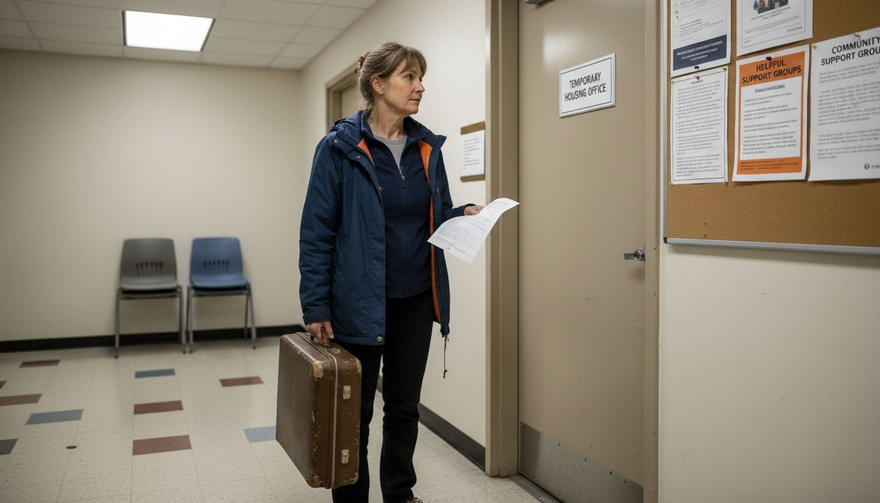
What Is Emergency Accommodation and Why It Matters
Flight cancellations and conference overruns can place unexpected pressure on British corporate event planners and travel managers who must secure urgent accommodation for displaced colleagues. In these high-stress moments, understanding the true purpose of emergency accommodation is vital, as it offers rapid, safe shelter until longer-term solutions are found. This guide cuts through common misconceptions, outlining what makes emergency housing effective during sudden disruptions and how to identify the right support when every minute counts.
Table of Contents
- Emergency Accommodation: Definition And Misconceptions
- Types Of Emergency Accommodation Solutions
- How Emergency Corporate Housing Works
- Legal And Eligibility Requirements In The UK
- Key Risks, Costs, And Responsibilities
- Comparing Emergency Housing To Alternatives
Key Takeaways
| Point | Details |
|---|---|
| Short-term Solution | Emergency accommodation is a temporary intervention aimed at providing urgent shelter for those in crisis, not a permanent housing option. |
| Misconceptions | Many believe emergency housing serves as long-term accommodation, but it is intended for brief stays only. |
| Diverse Types | Emergency accommodation includes various types such as shelters, hostels, and specialised refuges tailored to specific needs. |
| Legal Criteria | Eligibility for emergency accommodation in the UK is based on residency, vulnerability assessment, and other critical legal factors. |
Emergency accommodation: Definition and misconceptions
Emergency accommodation is a critical short-term housing solution designed to provide immediate shelter for individuals facing sudden displacement or crisis. Unlike traditional housing, this temporary intervention aims to protect vulnerable people during urgent circumstances.
The core purpose of emergency accommodation involves offering a rapid, safe solution when standard housing becomes unavailable. Emergency housing interventions serve multiple critical functions:
- Providing immediate physical safety
- Preventing homelessness
- Creating a transitional space for individuals in crisis
- Maintaining personal dignity during challenging circumstances
However, significant misconceptions exist about emergency accommodation. Many people incorrectly assume these facilities represent long-term housing solutions, when in reality they are designed for extremely short-term occupancy. Temporary accommodation research demonstrates that these spaces typically include hostels, bed and breakfast establishments, and hotels.
The primary distinction lies in the temporary nature of these accommodations. Emergency housing is not intended to be a permanent residence but rather a critical intervention during immediate housing emergencies. This means residents often have limited tenancy rights and must work actively with support services to secure more stable, long-term housing solutions.
Key Characteristics of Emergency Accommodation:
- Immediate availability
- Short-term occupancy
- Limited personal space
- Minimal individual customisation
- Designed for crisis intervention
Pro tip: When seeking emergency accommodation, always clarify the expected duration of stay and understand the specific support services available to help transition to permanent housing.
Types of emergency accommodation solutions
Emergency accommodation represents a diverse landscape of housing solutions designed to meet urgent shelter needs across various contexts. European emergency housing strategies reveal multiple intervention types tailored to specific population requirements.
Traditional emergency accommodation solutions typically include:
- Homeless shelters : Providing basic overnight protection
- Hostels : Short-term communal living arrangements
- Temporary hotel placements : Rapid housing for immediate displacement
- Specialised refuges : Targeted support for specific vulnerable groups
- Domestic violence shelters : Safe spaces for individuals escaping dangerous situations
Beyond standard urban contexts, emergency accommodation extends to diverse scenarios. Post-disaster housing strategies demonstrate sophisticated approaches including modular housing units, temporary villages, and phased transition models designed for comprehensive population support.
The complexity of emergency accommodation reflects the nuanced needs of different populations. Private and public sector provisions collaborate to create flexible, responsive housing interventions that address immediate safety while supporting longer-term stability and social integration.
Emerging Emergency Accommodation Categories:
Here is a comparison of various types of emergency accommodation by suitability and support levels:
| Accommodation Type | Best Suited For | Level of Support Provided |
|---|---|---|
| Homeless Shelter | Individuals needing urgent shelter | Basic supervision |
| Domestic Violence Refuge | Victims fleeing unsafe situations | Specialist counselling |
| Hostels | Short-term displaced adults | Minimal, general support |
| Modular Disaster Units | Disaster-affected populations | Onsite health and logistics |
| Corporate Housing | Relocated employees | High comfort, managed help |
| University Emergency Hall | Displaced students | Student-specific guidance |
- Digital nomad temporary housing
- Corporate relocation quick-stay facilities
- University emergency student housing
- Seasonal worker accommodation
- Disaster response mobile housing units
Pro tip: Always verify the specific support services, duration limits, and transition pathways associated with any emergency accommodation option before committing.
How emergency corporate housing works
Corporate housing provides a sophisticated solution for businesses needing flexible, comfortable temporary accommodation. Corporate housing strategies represent a critical alternative to traditional hotel stays, offering fully furnished residences designed for extended business needs.
The typical emergency corporate housing process involves several key stages:
- Initial needs assessment : Determining specific accommodation requirements
- Property selection : Choosing furnished properties matching precise specifications
- Flexible lease negotiation : Establishing adaptable rental terms
- Logistics management : Coordinating utilities, maintenance, and support services
- Seamless transition : Ensuring smooth move-in and accommodation experience
Emergency corporate housing differs significantly from standard rental arrangements. Short-term housing partnerships enable companies to provide employees with home-like environments that support productivity and comfort during temporary assignments, relocations, or project-based work.
Key Advantages of Corporate Housing:
- Cost-effective compared to extended hotel stays
- Fully furnished living spaces
- Utilities and internet typically included
- Flexible lease terms
- Professional management
- Privacy and comfort of a home environment
Pro tip: Request comprehensive documentation about included services and potential additional charges before finalising any corporate housing agreement.
Legal and eligibility requirements in the UK
Emergency accommodation in the United Kingdom operates within a complex legal framework designed to protect vulnerable individuals. Legal housing assistance ensures that temporary housing meets specific statutory standards and respects individual needs.
Eligibility for emergency accommodation depends on several critical factors:
This table summarises key legal eligibility criteria for emergency accommodation in the UK:
| Eligibility Criterion | Description | Authority Responsible |
|---|---|---|
| Residency Status | Must have legal right to reside | Local council/UKVI |
| Vulnerability Assessment | Risk assessment for immediate needs | Local housing authority |
| Priority Need | Assessed by statutory guidance | Local council |
| Immigration Controls | Verification of entitlements required | Home Office/local authority |
| Personal Safety Risks | Factor in threat to wellbeing | Housing assessment teams |
- Residency status : Confirmed legal right to reside in the UK
- Vulnerability assessment : Identifying specific personal circumstances
- Priority need criteria : Evaluating immediate housing requirements
- Immigration control considerations : Verifying legal entitlements
- Risk factors : Assessing potential threats to personal safety
UK local council responsibilities mandate providing emergency shelter for individuals meeting specific legal thresholds. The accommodation must be suitable, safe, and designed as a temporary intervention while permanent housing solutions are pursued.
Key Legal Considerations for Emergency Housing:
- Mandatory safety assessments
- Respect for individual dignity
- Temporary nature of accommodation
- Protection of vulnerable groups
- Clear legal pathways for support
- Potential for legal challenge if requirements are not met
Pro tip: Document all interactions with housing authorities and retain copies of official correspondence to protect your legal rights during emergency accommodation proceedings.
Key risks, costs, and responsibilities
Emergency accommodation involves complex financial and social challenges that extend far beyond simple housing provision. Emergency housing risks create significant potential for long-term negative outcomes for individuals and local authorities.
The primary risks associated with emergency accommodation include:
- Health impacts : Potential deterioration of physical and mental well-being
- Financial strain : Increasing costs for local authority budgets
- Social disruption : Potential entrenchment of homelessness
- Limited privacy : Overcrowded and unsuitable living conditions
- Psychological stress : Uncertainty about long-term housing solutions
Parliamentary research on accommodation challenges highlights the critical responsibilities facing local councils. These include maintaining placement quality, adhering to statutory accommodation limits, and implementing robust safeguarding measures for vulnerable occupants.
Key Responsibilities for Accommodation Providers:
- Ensuring basic safety standards
- Monitoring resident well-being
- Developing clear exit strategies
- Providing support services
- Managing financial resources effectively
- Protecting vulnerable individuals
Pro tip: Maintain detailed documentation of all accommodation-related interactions and regularly assess the suitability of emergency housing arrangements to mitigate potential long-term risks.
Comparing emergency housing to alternatives
Emergency accommodation represents a crisis intervention strategy with significant limitations compared to more comprehensive housing solutions. Housing scenario modelling suggests that alternative approaches can provide more sustainable and cost-effective outcomes for vulnerable populations.
Key alternative housing solutions include:
- Social housing : Stable, long-term residential options
- Prevention services : Proactive support to avoid housing crises
- Supported accommodation : Tailored assistance with comprehensive care
- Transitional housing : Structured pathways to permanent residency
- Community-based interventions : Localised support networks
Parliamentary housing research demonstrates that shifting investment from emergency to alternative housing can dramatically improve individual and societal outcomes. These alternatives offer more than temporary shelter, providing holistic support designed to address underlying housing instability.
Comparative Advantages of Alternative Solutions:
- Enhanced long-term stability
- More cost-effective interventions
- Better psychological support
- Reduced system dependency
- Personalised care approaches
- Improved social integration
Pro tip: Prioritise housing solutions that offer comprehensive support and clear progression pathways rather than purely reactive emergency interventions.
Seamless Emergency Accommodation Solutions Tailored for Your Business Needs
Navigating the complexities of emergency accommodation demands swift, reliable, and flexible solutions. Whether you are managing corporate relocations, disaster response housing, or urgent event accommodations, the challenges highlighted about short-term occupancy, legal eligibility, and support services underscore the importance of expert guidance. At Jigsaw Conferences, we understand these critical pain points and offer comprehensive assistance in finding suitable venues and corporate housing designed for emergency and temporary needs.
With over two decades of industry experience, our dedicated team excels at delivering personalised, cost-effective accommodation options that prioritise safety, comfort, and seamless transitions. Benefit from our extensive network to secure top-quality emergency housing and event spaces across the UK, tailored to your unique requirements. Explore Corporate Housing Solutions and event services that reduce stress and ensure your teams have the support they need during challenging times.
Ready to transform emergency accommodation challenges into streamlined solutions from trusted professionals Visit Jigsaw Conferences now for your free venue and housing search and take the first step towards efficient, compliant, and compassionate housing arrangements tailored for your organisation.
Frequently Asked Questions
What is emergency accommodation?
Emergency accommodation refers to short-term housing solutions for individuals facing sudden displacement or crisis, providing immediate shelter to those in need.
How does emergency accommodation differ from permanent housing?
Emergency accommodation is intended for extremely short-term occupancy and is not a permanent housing solution, while permanent housing offers long-term stability and tenancy rights.
What types of emergency accommodation are available?
Types include homeless shelters, hostels, temporary hotel placements, specialised refuges, and domestic violence shelters, each designed to meet specific urgent needs.
What are the eligibility requirements for emergency accommodation?
Eligibility typically includes having a legal right to reside, undergoing a vulnerability assessment, and meeting priority need criteria as assessed by local authorities.
Jigsaw Conferences Editorial Team
Verified AuthorThe Jigsaw Conferences Editorial Team comprises venue finding experts with over 20 years of combined experience in the events and hospitality industry. Our team includes certified meeting professionals (CMP), venue sourcing specialists, and industry analysts who provide authoritative insights on venue selection, event planning, and corporate accommodation.