
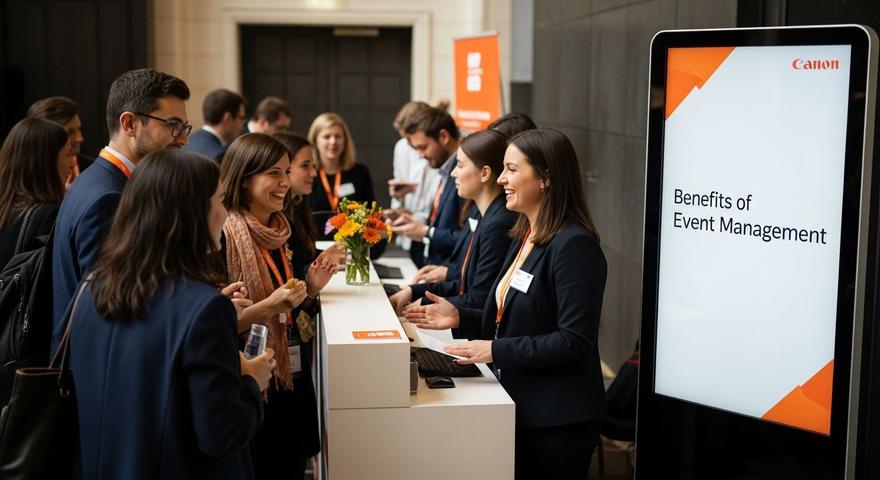
Understanding the Benefits of Event Management
Event management might sound like just booking venues and setting dates. But in reality, businesses that invest in professional event management can see increased stakeholder engagement and measurable returns on investment. Surprising as it may seem, the most powerful impact of successful events comes from crafting experiences that not only impress guests but also drive long-term business growth and brand loyalty.
Table of Contents
- What Is Event Management And Its Importance? Understanding The Core PrinciplesThe Strategic Value Of Professional Event Management
- Why Event Management Matters For Corporate Success Strategic Communication And Brand PositioningDriving Organisational Performance And Culture
- How Event Management Works To Achieve Goals Establishing Clear Organisational GoalsStrategic Planning And Execution Methodology
- Key Concepts In Effective Event Management Strategic Planning And Holistic ApproachStakeholder Engagement And Experience Design
- Real-World Examples Demonstrating Event Management Benefits Corporate Learning And Development TransformationsStrategic Brand Positioning And Stakeholder Engagement
- Corporate Learning And Development Transformations
- Strategic Brand Positioning And Stakeholder Engagement
Quick Summary
| Takeaway | Explanation |
|---|---|
| Strategic Planning is Crucial | Precise goal definition and alignment with organizational strategy guide successful event management initiatives. |
| Engagement Drives Value | Creating immersive experiences enhances stakeholder connections and builds brand loyalty beyond traditional marketing methods. |
| Measure Outcomes Effectively | Tracking measurable outcomes helps in evaluating the success of events and informs future planning. |
| Adaptability is Key | Implementing hybrid and virtual formats allows organizations to broaden their reach and maintain engagement in diverse environments. |
| Internal Culture Benefits | Purposeful corporate events strengthen team dynamics and motivation, fostering a more collaborative workplace environment. |
What is Event Management and Its Importance?
Event management is a professional discipline focused on strategic planning, coordinating, and executing events across various sectors and scales. From corporate conferences to international trade shows, this specialised field encompasses comprehensive strategies that transform conceptual ideas into successful, memorable experiences.
Understanding the Core Principles
At its fundamental level, event management involves meticulously designing and implementing gatherings that achieve specific organisational objectives. Professional event managers act as orchestrators who blend logistics, creativity, and strategic thinking to deliver seamless experiences. Their responsibilities extend far beyond simple venue selection and include complex tasks such as budgeting, vendor negotiations, participant engagement, risk assessment, and post event evaluation.
To clarify the core principles that underpin effective event management, the following table provides concise definitions for each principle mentioned in the article.
| Principle | Description |
|---|---|
| Strategic Planning | Setting clear goals and developing a roadmap that aligns events with broader organisational aims. |
| Stakeholder Communication | Maintaining clear, consistent, and comprehensive engagement with all participants and partners. |
| Logistical Coordination | Managing venues, vendors, timing, and resources to ensure seamless event execution. |
| Adaptable Problem Solving | Responding flexibly to changing circumstances or unexpected issues during event planning and delivery. |
| Measurable Outcome Tracking | Assessing performance against objectives through data collection and post-event evaluation. |
Key principles underlying effective event management include:
- Precise strategic planning
- Comprehensive stakeholder communication
- Robust logistical coordination
- Adaptable problem solving capabilities
- Measurable outcome tracking
The Strategic Value of Professional Event Management
Professional event management delivers substantial strategic advantages for organisations. By transforming gatherings from mere meetings into powerful communication platforms, event managers create opportunities for brand positioning, knowledge exchange, networking, and meaningful relationship building.
Businesses leveraging professional event management can expect significant benefits such as enhanced corporate visibility, improved stakeholder engagement, and tangible returns on investment.
The table below compares key internal and external benefits of professional event management as detailed in the article, offering a quick reference for understanding its strategic impact.
| Benefit Type | Description | Example Highlights |
|---|---|---|
| Internal | Strengthens team dynamics and motivation; aligns objectives; fosters creativity and collaboration. | Team-building retreats, workshops |
| External | Enhances brand visibility; enables direct stakeholder engagement; drives measurable ROI. | Conferences, product launches, exhibitions |
| Communication | Provides immersive communication channels; enables complex messaging and feedback mechanisms. | Corporate milestone events, innovation showcases |
| Organisational | Supports knowledge transfer, talent recognition, and reinforces company values. | Training sessions, professional development events |
Whether hosting internal training sessions, client conferences, or industry exhibitions, skilled event management ensures that every interaction becomes a strategic opportunity for organisational growth and advancement.
Moreover, event management has evolved beyond traditional physical gatherings. Modern approaches now incorporate hybrid and virtual event strategies, enabling organisations to reach global audiences while maintaining high engagement levels and delivering consistent, impactful experiences across digital and physical platforms.
Why Event Management Matters for Corporate Success
Event management has transformed from a peripheral business function into a critical strategic tool that directly influences organisational performance, brand perception, and stakeholder relationships. Modern corporations recognise that well-executed events are not merely logistical exercises but powerful platforms for achieving complex business objectives.
Strategic Communication and Brand Positioning
Corporate events serve as sophisticated communication channels that transcend traditional marketing approaches. They provide immersive experiences where businesses can articulate their vision, showcase innovations, and engage stakeholders in meaningful dialogues. By crafting carefully designed event experiences, organisations can communicate complex messages, reinforce brand identity, and create emotional connections that conventional advertising cannot achieve.
Key strategic communication benefits include:
- Direct interaction with target audiences
- Personalised brand storytelling
- Immediate feedback mechanisms
- Enhanced brand credibility
- Memorable engagement experiences
Driving Organisational Performance and Culture
Event management plays a pivotal role in driving internal organisational dynamics. Professional events such as team-building retreats, conference workshops, and strategic planning sessions become catalysts for improving employee motivation, knowledge transfer, and collaborative innovation. By designing purposeful events, businesses can strengthen internal communication, align team objectives, and create environments that foster creativity and mutual understanding.
Moreover, corporate events provide unique opportunities for professional development, talent recognition, and reinforcing organisational values. They transform abstract corporate strategies into tangible, shared experiences that motivate employees and create a sense of collective purpose.
Understanding event management as a strategic function reveals its profound impact on corporate success. It is no longer a peripheral activity but a sophisticated discipline that bridges communication, strategic planning, and organisational development. Businesses that invest in professional event management gain competitive advantages through enhanced stakeholder relationships, improved internal dynamics, and powerful brand narratives.
How Event Management Works to Achieve Goals
Event management operates as a strategic framework that transforms organisational objectives into actionable, measurable experiences. By employing systematic methodologies and comprehensive planning techniques, event professionals create structured approaches that align event design with specific business outcomes.
Establishing Clear Organisational Goals
Successful event management begins with precise goal definition . Organizations must articulate explicit objectives that are specific, measurable, and directly connected to broader strategic initiatives. These goals serve as fundamental navigation points that guide every aspect of event planning and execution.
Key considerations when establishing event goals include:
- Alignment with overall corporate strategy
- Specific, quantifiable outcomes
- Realistic and achievable targets
- Defined target audience engagement metrics
- Potential return on investment assessment
Strategic Planning and Execution Methodology
Event management professionals employ a comprehensive methodology that breaks down complex objectives into systematic stages. This approach involves meticulous planning, risk assessment, resource allocation, and continuous performance monitoring. Each stage is carefully designed to ensure that organizational goals are not just conceptualised but effectively implemented.
The strategic planning process typically encompasses comprehensive elements such as detailed stakeholder analysis, thorough resource mapping, precise budget management, and integrated communication strategies. Professional event managers act as strategic architects who transform abstract organizational objectives into tangible, impactful experiences.
Understanding event management as a goal-oriented discipline reveals its sophisticated nature. It is a dynamic process that requires strategic thinking, creative problem solving, and precise execution. By treating events as strategic tools rather than isolated activities, organizations can leverage these experiences to drive meaningful business outcomes, enhance stakeholder relationships, and create lasting impact across multiple dimensions of corporate performance.
Key Concepts in Effective Event Management
Effective event management requires a sophisticated blend of strategic thinking, technical expertise, and nuanced interpersonal skills. Professionals in this field must navigate complex organisational landscapes while delivering seamless experiences that meet diverse stakeholder expectations and achieve specific business objectives.
Strategic Planning and Holistic Approach
At the core of successful event management lies comprehensive strategic planning. This involves developing a 360-degree perspective that encompasses every aspect of event design, execution, and evaluation. Professional event managers must synthesize multiple disciplines including logistics, communication, risk management, and stakeholder engagement to create cohesive event experiences.
Critical elements of strategic planning include:
- Detailed objective mapping
- Comprehensive risk assessment
- Flexible resource allocation
- Integrated communication strategies
- Measurable performance indicators
Stakeholder Engagement and Experience Design
Stakeholder engagement represents a fundamental concept in effective event management. Beyond logistical coordination, event professionals must create immersive experiences that resonate emotionally and strategically with participants. This requires deep understanding of audience dynamics, cultural contexts, and organisational communication principles.
Modern event management transcends traditional transactional approaches. It involves crafting narrative experiences that communicate organisational values, facilitate meaningful interactions, and generate lasting impact. By treating events as strategic communication platforms, organisations can transform seemingly routine gatherings into powerful engagement opportunities.
Understanding event management as a sophisticated discipline reveals its complexity. It is not simply about executing gatherings but about creating strategic interventions that drive organisational objectives, enhance communication, and generate tangible value across multiple dimensions of corporate performance.
Real-World Examples Demonstrating Event Management Benefits
Event management transcends theoretical concepts by delivering tangible, measurable outcomes across diverse organisational contexts. Real-world examples illustrate how strategic event planning transforms business performance, stakeholder relationships, and organisational communication strategies.
Corporate Learning and Development Transformations
Leading organisations demonstrate the profound impact of professional event management through strategic learning initiatives. Corporate training events have evolved from traditional lecture-based formats to immersive, interactive experiences that drive knowledge transfer and skill development. By designing carefully curated learning environments, businesses create opportunities for meaningful employee engagement and professional growth.
Significant corporate learning event benefits include:
- Enhanced employee skill acquisition
- Improved team collaboration
- Accelerated knowledge sharing
- Measurable performance improvements
- Increased workforce motivation
Strategic Brand Positioning and Stakeholder Engagement
International corporations leverage event management as a sophisticated communication tool for brand positioning and stakeholder relationship building. Product launches, industry conferences, and corporate milestones become strategic platforms for communicating organisational vision, showcasing innovations, and creating memorable brand experiences.
These events go beyond traditional marketing approaches by creating immersive narratives that connect audiences emotionally and intellectually with organisational missions. Professional event management transforms potentially routine gatherings into powerful communication opportunities that generate lasting impressions and meaningful connections.
By examining real-world applications, event management emerges as a dynamic discipline that bridges strategic planning, communication, and organisational development. Successful implementations demonstrate how meticulously designed events can drive business objectives, enhance stakeholder relationships, and create substantive value across multiple corporate dimensions.
Unlock the Full Potential of Your Corporate Events with Jigsaw Conferences
Navigating the complexities of strategic event management takes more than just enthusiasm. The article highlights how transforming business gatherings into powerful, goal-driven experiences requires meticulous planning, creative problem solving, and specialist negotiation. For many professionals, battling with time-consuming venue sourcing, budget pressures, or the challenge of finding sustainable and impactful spaces can be overwhelming. Uniting these needs under one solution is where Jigsaw Conferences excels. Our experienced team removes the hassle by offering tailored venue-finding , corporate housing , and event coordination services that save you hours of research and deliver competitive rates through unrivalled industry connections.
Ready to see measurable value from your next event? Whether you need a central London conference space, cost-effective corporate accommodation, or urgent solutions for business travel, start by using our free venue search and booking assistance . Discover how simple and effective bespoke event management can be when you contact Jigsaw Conferences today . Let us help you achieve seamless, inspiring events that drive your business goals. Act now to secure the right space and unlock exclusive offers only available through our platform.
Frequently Asked Questions
What are the key principles of event management?
Effective event management is built on principles such as precise strategic planning, comprehensive stakeholder communication, robust logistical coordination, adaptable problem-solving capabilities, and measurable outcome tracking.
How does event management contribute to corporate success?
Event management enhances corporate success by serving as a strategic tool for communication, brand positioning, and stakeholder engagement, ultimately driving organisational performance and fostering positive relationships.
What types of events can benefit from professional event management?
Professional event management can enhance a variety of events, including corporate conferences, trade shows, training sessions, and team-building retreats, ensuring that each gathering drives specific organisational objectives.
How can event management improve internal organisational culture?
By designing purposeful events like workshops and retreats, event management can strengthen internal communication, align team objectives, and foster creativity, ultimately improving employee motivation and reinforcing company values.
Recommended
- Wedding Venue Comparison Checklist for Seamless Selection | Jigsaw Conferences
- Benefits of Free Venue Search for Event Planners | Jigsaw Conferences
- Why Use Venue Finders for Corporate Events | Jigsaw Conferences
- How to Find a Venue for an Event: A Step-by-Step Guide | Jigsaw Conferences
- What Is Emergency Accommodation and Why It Matters | Jigsaw Conferences
Jigsaw Conferences Editorial Team
Verified AuthorThe Jigsaw Conferences Editorial Team comprises venue finding experts with over 20 years of combined experience in the events and hospitality industry. Our team includes certified meeting professionals (CMP), venue sourcing specialists, and industry analysts who provide authoritative insights on venue selection, event planning, and corporate accommodation.